



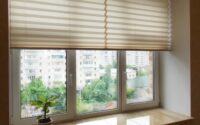


If your living room gets amazing natural light but your TV turns into a mirror every afternoon, you’re not alone. Sun glare on a TV screen is one of those problems that feels simple (“just close the curtains”), yet it can be surprisingly tricky to solve without making the room feel like a cave.
The good news: you can reduce glare dramatically with a mix of smart placement, better light control, and a few tech tweaks. The even better news: you don’t have to choose between “pretty, bright living room” and “actually being able to see what’s on screen.” This guide walks through practical options—from quick fixes you can try today to longer-term upgrades that make the room more comfortable all year.
Along the way, we’ll talk about why glare happens, how to identify the exact source, and how to choose window treatments that tame harsh light while still letting you enjoy daylight. Let’s make your living room bright and watchable.
Why glare is so stubborn in bright living rooms
Glare isn’t just “too much light.” It’s light hitting your screen at the wrong angle, bouncing straight back to your eyes. Modern TVs are brighter than ever, but even a bright screen can’t always compete with direct sun or strong reflections from glossy surfaces.
There are two common glare types: direct glare (sunlight beams landing on the screen) and reflected glare (sunlight hitting a wall, floor, coffee table, or picture frame and then reflecting onto the screen). Reflected glare is sneaky because you might not notice the reflection source until you move around the room.
Also, many living rooms are designed for daylight—big windows, light-colored walls, shiny floors, and open layouts. That’s beautiful, but it’s basically a perfect recipe for reflections. Once you understand the “path” the light is taking, you can fix the problem with much less effort (and less trial-and-error).
Find the real culprit: a quick glare “audit” you can do in 10 minutes
Before buying anything, do a simple audit. Pick a time when glare is worst—usually late morning or mid-to-late afternoon depending on window direction. Turn the TV off so the screen is dark and reflective, then stand where you normally sit.
Now move your head side to side and slightly up and down. If the glare changes dramatically, you’re dealing with reflected glare. If it stays intense and “hot” in one spot, that’s often direct sunlight. Take note of which window(s) are responsible and whether the sun is coming in at a low angle (common in winter) or high angle (common in summer).
Next, walk around and look for bright reflection sources: glass-topped tables, framed art with glass, glossy cabinet doors, polished floors, even a white wall directly opposite the window. You don’t have to redesign the whole room, but identifying the big offenders helps you choose the simplest fix.
TV placement tricks that reduce glare without changing your style
Rotate the TV so it’s not facing the brightest window
The most effective “free” fix is repositioning. If your TV faces a window head-on, you’re basically inviting glare. Try placing the TV on a wall perpendicular to the main light source instead. Even a small change in angle can make a huge difference.
If moving the TV across the room isn’t realistic, consider a swiveling wall mount. A mount that tilts and rotates lets you adjust the screen angle based on the time of day. It’s not as perfect as changing the wall, but it’s surprisingly helpful when glare comes in at predictable times.
One more tip: avoid placing the TV opposite a bright, light-colored wall that gets sun. That wall can act like a reflector, bouncing light right back at the screen.
Adjust seating positions to escape the reflection path
Sometimes the TV is fine—the seating is the issue. If your couch sits directly in the “reflection line,” you’ll see glare even if the screen isn’t in direct sun. Try shifting seating slightly left or right, or add a chair that becomes your “daytime viewing seat.”
This is especially useful if you have an open-concept living room where the TV wall is fixed. A small seating tweak can reduce glare enough that you don’t feel the need to darken the whole room.
Think of it like photography: the angle between the light source, the screen, and your eyes matters. Change one point in that triangle and the glare often drops.
Window treatments that actually work (and why some don’t)
Sheer curtains: great for softness, limited for TV glare
Sheers are lovely for diffusing light and keeping the room airy. They help with harshness, but they often don’t do much for screen glare when the sun is strong—especially if the sun is directly visible through the window.
If you love the look of sheers, treat them as a “layer,” not the main glare solution. Pair them with a more functional shade behind them. That way you keep the soft aesthetic while gaining real control when it’s time to watch something.
In rooms with multiple windows, sheers can still be useful for balancing brightness so you don’t have one window blasting while others feel dim.
Roller shades and solar shades: the sweet spot for bright rooms
For many living rooms, solar shades are the most straightforward glare fix. They reduce brightness and reflections while preserving your view. The key spec is “openness factor,” which determines how much light passes through. Lower openness (like 1–3%) blocks more glare; higher openness (like 5–10%) keeps more view but allows more light.
Roller shades with light-filtering fabric can also work well if you don’t need a view. Look for fabrics designed to reduce glare and UV. These won’t make the room pitch black, but they’ll take the edge off and make the TV much more watchable.
If you’re choosing between “light-filtering” and “blackout,” remember: blackout is best for dedicated movie nights, but it can feel heavy for everyday living rooms. Many people prefer a layered approach so they can dial in the right level of light.
Cellular shades: comfortable light control plus insulation
Cellular (honeycomb) shades are underrated for living rooms. They’re great at softening daylight and can reduce glare when you choose an appropriate opacity. They also help with temperature control, which matters if your bright living room heats up in the afternoon sun.
Because they trap air in their cells, they add insulation at the window. That can mean fewer hot spots near the glass in summer and fewer drafts in winter—making the whole room feel more even and comfortable.
If you’re curious about the comfort benefits beyond glare control, this resource on energy efficient shades Boerne TX explains why cellular shades are such a strong option for both light management and energy performance.
Layering treatments: the “best of both worlds” approach
Combine light-filtering shades with drapery panels
Layering is how designers get rooms that feel bright and cozy while still being functional. A common combo is a light-filtering shade for daytime glare control plus drapery panels for evening privacy and style.
The shade does the daily work: reducing glare, cutting UV, and smoothing out harsh sunlight. The drapes add softness and can be closed when you want a darker room for movies. You can choose drapes that match your décor without relying on them as the sole glare solution.
This approach is especially helpful if your living room has large windows or a sliding door where the sun angle changes by season.
Use top-down/bottom-up control to keep daylight without screen glare
If your glare comes from low-angle sun (common in mornings/evenings), top-down/bottom-up shades can be a game changer. You can cover the lower portion of the window—where the sun hits your screen—while leaving the top open for daylight.
It’s also great for privacy. You can block the sightline from the street while still letting light in above. That means you’re not forced into an “all open or all closed” situation.
When you can fine-tune coverage, you often need less overall darkness to get a glare-free screen.
Go hands-free: why motorization is a glare-fighting superpower
Make shade adjustments easy enough that you’ll actually do them
One reason glare remains a daily annoyance is that adjusting window coverings can be a hassle—especially if you have multiple windows or tall glass. Motorization removes that friction. If it’s easy to make small adjustments, you’ll do it more often, and you’ll keep the room comfortable without thinking about it.
Motorized shades are also great when glare changes throughout the day. You can lower them partway in the afternoon, then raise them again when the sun shifts. Instead of “close everything and forget it,” you get responsive control.
If you’re exploring options, take a look at motorized shades Boerne TX for a sense of how automation can fit into real homes (and not just high-tech showrooms).
Use schedules and smart home routines for predictable sun patterns
Glare often happens at the same time every day—say, 4–6 PM when the sun hits the west-facing windows. With scheduling, your shades can lower automatically before the glare starts, so you’re not scrambling to fix it mid-episode.
If you have a smart home setup, you can tie shades to routines like “Movie Time” or “Afternoon Chill.” Even simple remotes can make the experience smoother: one button press can adjust multiple windows to the same level.
The goal isn’t to overcomplicate your life—it’s to make the glare solution so effortless that it becomes invisible.
TV and display settings that help (even if you don’t change the room)
Turn off energy-saving dimming during daytime viewing
Many TVs ship with eco modes that reduce brightness automatically. That’s fine at night, but in a bright room it can make glare feel worse because the screen can’t “push through” the ambient light.
Check your settings for things like “Eco,” “Ambient Light Sensor,” or “Power Saving.” Try disabling them for daytime viewing, or create a separate picture mode that’s brighter for daytime and more accurate for evening.
This is one of the simplest tweaks you can do immediately—and it costs nothing.
Choose the right picture mode and adjust a few key sliders
For bright rooms, modes like “Standard,” “Vivid,” or “Sports” can reduce the perception of glare because they increase brightness and contrast. They’re not always the most color-accurate, but they can be more watchable when sunlight is present.
Focus on a few settings: increase backlight/brightness, increase contrast, and slightly reduce gamma if your TV allows it. Be careful with sharpness—cranking it up can make the picture look harsh without truly improving visibility.
If your TV has an “anti-reflection” or “glare reduction” feature, test it, but don’t expect miracles. Physical light control at the window usually makes the biggest difference.
Anti-glare screen protectors and TV finishes: what’s worth it
Matte films can help, but they’re a trade-off
Anti-glare films can reduce mirror-like reflections by scattering light. The downside is that they can slightly soften the image and reduce perceived contrast. If you sit close to the TV or care a lot about crisp detail, you might notice the change.
They’re most useful when you can’t change window treatments (for example, in a rental) or when the glare is mild but annoying. If your screen is getting hit with full sun, a film alone usually won’t solve it.
If you do try a film, buy from a reputable brand with clear return policies. Installation quality matters, and bubbles or dust can be more distracting than glare.
When upgrading a TV, consider reflection handling as a real feature
If you’re already thinking about a new TV, look at reviews that measure reflection handling and brightness. Some models are designed specifically for bright rooms and have coatings that reduce reflections without making the image look dull.
Also consider screen type and finish. Some glossy screens look amazing in dim rooms but reflect like crazy in daylight. A model with better anti-reflective coating can be a noticeable quality-of-life upgrade.
Still, even the best TV can’t fully defeat direct sun. If sunlight is landing on the screen, you’ll want a window-based fix too.
Small room changes that reduce reflections more than you’d expect
Swap a glossy coffee table for a matte surface
Glass and high-gloss surfaces are reflection amplifiers. If your coffee table reflects the window, it can bounce light onto the TV and into your eyes. A matte wood finish, textured surface, or even a fabric ottoman can calm the whole room down visually.
This doesn’t mean your décor has to become dull. You can still have metallic accents and polished pieces—just be strategic about what sits directly in the reflection path between windows and TV.
If you love your glass table, try a temporary fix like a matte runner or a textured tray during daytime viewing.
Use rugs and soft furnishings to “absorb” light
Hard floors—especially light-colored tile or polished wood—can reflect a lot of sunlight. Adding a rug can reduce bounce and make glare less intense. It also makes the room feel cozier and can improve acoustics, which is a nice bonus for TV watching.
Similarly, fabric sofas, throw blankets, and pillows don’t reflect light the way leather or glossy materials can. If you’re battling glare and echo at the same time, soft furnishings are a two-for-one win.
These changes won’t replace proper window treatments, but they can reduce the overall “wash” of brightness that makes screens harder to see.
Handling different window directions and seasonal sun angles
West-facing windows: the classic late-afternoon glare battle
West-facing living rooms often look incredible in the golden hour—right up until the sun hits your TV. The light is warm, low, and intense, which makes glare feel extra harsh.
For west-facing windows, consider solar shades with a lower openness factor or layered treatments so you can block the strongest light without losing the room’s vibe. Motorization is particularly helpful here because the timing is predictable.
Also pay attention to heat. West sun can raise room temperature quickly, and reducing that heat can indirectly improve viewing comfort because your TV won’t have to compete with a bright, hot environment.
South-facing windows: bright all day, but more manageable
South-facing rooms get consistent light, often from a higher sun angle. That can mean less direct beam on the TV, but more overall brightness and reflection around the room.
In these spaces, light-filtering shades that soften and diffuse can be enough, especially when paired with thoughtful TV placement. You may not need blackout-level darkness; you may just need to reduce contrast between the screen and the room.
If you have large expanses of glass, consider treating multiple windows consistently so brightness feels balanced across the room.
Winter vs. summer: why glare can change even if nothing else does
In winter, the sun sits lower in the sky. That low angle is more likely to shoot directly into your living room and hit the TV screen. In summer, the sun is higher, which can reduce direct beams but increase overall brightness and heat.
This is why a solution that “worked last month” might fail later. Adjustable coverings and layered options give you flexibility as the sun angle shifts through the year.
If you’re planning a longer-term fix, think about your worst season—not just today’s glare.
Choosing the right window treatment setup for your living room style
Minimalist spaces: clean lines, maximum function
If your living room leans modern or minimalist, roller shades or solar shades usually fit the aesthetic best. They sit close to the window, keep the look tidy, and deliver strong glare control.
Choose a fabric color that complements your walls. Lighter fabrics can keep the room feeling airy, while darker fabrics can reduce glare more aggressively (and often preserve view better in solar fabrics).
In minimalist rooms, motorization can also help maintain the “no clutter” feel—no cords, no fuss, just smooth operation.
Traditional or cozy spaces: softness without sacrificing performance
If you love a cozy, layered look, combine functional shades with drapery panels. You get the softness and warmth of fabric while still having a practical glare solution during the day.
Consider lining options for drapes if you want better light control, and choose hardware that allows panels to stack back cleanly so you can enjoy the view when you want it.
This is also a great style approach if your TV is mounted above a console and you want the window wall to feel balanced and intentional.
When it’s time to bring in a pro (and what to ask for)
If you’ve tried the basics and glare is still ruining your viewing, a window treatment consult can save you time and money. The right pro will help you match fabric openness, opacity, and placement to your exact windows and sun exposure—something that’s hard to nail from online guesses alone.
When you talk to a specialist, describe when glare happens, which windows are involved, and whether you want to keep a view. Mention whether heat is also a problem. Glare and heat often come together, and solving both at once is usually the best value.
If you’re in the Boerne area and want to explore tailored options, Bumble Bee Blinds Boerne is one place to start for measuring, product recommendations, and building a setup that fits your room rather than forcing your room to fit a product.
A simple “glare plan” you can follow this week
Day 1: Identify the pattern and test quick changes
Start with the glare audit: note the time, window direction, and whether the glare is direct or reflected. Then test a couple of quick changes—rotate the TV slightly, close one set of blinds, or move a reflective object like a glass table accessory.
While you’re at it, adjust TV settings: disable eco dimming, switch to a brighter daytime mode, and increase backlight. These changes won’t fix direct sun, but they can improve watchability immediately.
Take a couple of photos of the glare at its worst. It helps you compare improvements and makes it easier to explain the issue if you shop for coverings later.
Day 2–3: Decide whether you want view, darkness, or flexibility
Ask yourself what you value most: keeping a view, keeping the room bright, or being able to make it dark for movies. There’s no wrong answer, but it will steer your choices.
If you want view and glare control, solar shades are often a strong fit. If you want insulation and comfort plus good light management, cellular shades are worth a look. If you want the most flexibility, layered treatments are hard to beat.
Also consider how often you’ll adjust coverings. If you know you won’t want to fuss with cords daily, motorization can turn a “nice idea” into a solution you’ll actually use.
Day 4–7: Choose a scalable solution you can live with
Pick a solution that fits your lifestyle. If glare is occasional, a simple shade might be enough. If it’s daily and intense, plan for better coverage, lower openness, or layering.
Think long-term: glare control can also protect furniture and floors from UV fading, reduce heat, and make the room more comfortable overall. It’s not just about the TV—though that’s the motivation most of us feel first.
Once you’ve got the right setup, you’ll notice something nice: you’ll stop thinking about glare altogether. The living room stays bright, the screen stays clear, and you get to enjoy the space the way it was meant to be used.
