



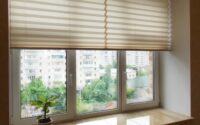


If you’ve been shopping for new windows, comparing home builds, or even just reading up on energy efficiency, you’ve probably seen the term “Low-E glass” everywhere. It sounds like a magic upgrade: better comfort, lower energy bills, less fading, less glare. So it’s totally fair to ask the real-life question that comes right after: if Low-E glass is so good, do you still need shades?
The honest answer is that Low-E glass and window shades solve different parts of the comfort puzzle. Low-E helps your window perform better as a building material. Shades help you control how your home feels day to day—light, privacy, glare, temperature swings, and even how a room looks and functions.
In a sunny, heat-prone climate like San Antonio, that day-to-day control matters a lot. Low-E is a great baseline, but it doesn’t replace the flexibility of a well-chosen shade. Let’s break down what Low-E glass actually does, what it doesn’t do, and how to decide on the right window coverings for your home.
Low-E glass, explained like you’re talking to a neighbor
Low-E stands for “low emissivity.” In plain terms, Low-E glass has a microscopically thin coating—so thin you can’t see it—that helps manage heat transfer through the window. The goal is to reduce how much heat moves in or out, depending on the season and the type of coating.
Regular glass is basically an open invitation for solar energy (heat) and radiant heat exchange. Low-E coatings act more like a filter and a reflector for certain wavelengths of energy. You still get daylight, but you get less of the “my couch feels like it’s sitting under a heat lamp” effect.
This coating is typically applied to one of the interior surfaces of the glass in a double-pane (or triple-pane) window unit. That placement protects the coating and helps it do its job without being scratched or exposed to cleaning chemicals.
What “emissivity” has to do with comfort
Emissivity is a material’s ability to emit radiant energy (heat). A low-emissivity surface emits less radiant heat than a high-emissivity one. That matters because a big part of how your home gains or loses heat happens through radiation—not just air leaks.
Think about standing near a hot car hood versus standing near a shaded wall. Even if the air temperature is the same, you feel different because radiant heat changes what your body experiences. Low-E coatings reduce that radiant exchange through the glass, which can make rooms feel more stable and less “spiky” in temperature.
That said, stability doesn’t mean total control. You may still get bright glare at certain times of day, you may still want privacy at night, and you may still notice that west-facing windows get intense in the late afternoon—especially in summer.
Hard-coat vs. soft-coat Low-E (and why you might care)
There are different kinds of Low-E coatings. You’ll often hear about “hard-coat” (pyrolytic) and “soft-coat” (sputtered) Low-E. Hard-coat tends to be more durable and can be good for certain applications, while soft-coat often has stronger performance for reducing heat transfer.
Most homeowners don’t need to memorize the categories, but it’s useful to know that “Low-E” isn’t one single product. Two windows can both be labeled Low-E and still perform differently based on the coating type, the number of panes, the gas fill between panes (like argon), and the frame construction.
This is one reason shades still matter: even with a high-performing window, your home’s comfort depends on orientation, landscaping, roof overhangs, and how you actually use the room. A nursery, home office, and media room can all have different needs—even if the windows are identical.
What Low-E glass does well (and where it stops)
Low-E glass is a strong upgrade because it improves the window’s baseline energy performance. It can reduce unwanted heat gain in summer and reduce heat loss in winter. It can also help protect interiors from certain UV-related fading.
But Low-E isn’t a “set it and forget it” solution for every comfort issue. It doesn’t give you privacy. It doesn’t block all glare. It doesn’t let you darken a room for naps. And it doesn’t change the fact that the sun moves throughout the day and hits different windows at different angles.
When you combine Low-E glass with the right shades, you get both: a better-performing window and a more controllable living space.
Heat gain, heat loss, and why your west windows still feel intense
In hot climates, the big complaint is usually solar heat gain. Low-E coatings can reduce how much solar energy passes through the glass, but they don’t eliminate it. If you have a large west-facing window, the late-day sun can still be powerful—and it often hits when your HVAC is already working hard.
That’s also when you’re most likely to be home, cooking dinner, helping with homework, or trying to relax. Even a small reduction in heat gain can help, but many homeowners still want a shade they can lower during peak hours.
Think of Low-E as improving the “default setting” of the window. Shades are the “manual override” that lets you adapt to real life.
UV protection vs. fading: what’s realistic
Low-E glass often reduces UV transmission, which helps with fading. That’s great if you have hardwood floors, rugs, artwork, or furniture you want to protect. But fading isn’t caused by UV alone—visible light and heat also contribute.
So even with Low-E, you might notice your favorite chair fabric slowly changing over time if it gets blasted by direct sun every day. A shade that diffuses or blocks sunlight during the brightest hours can extend the life of interior finishes.
If you’ve invested in quality flooring or you’ve got a room full of plants and textiles, it’s worth thinking about light control as a long-term maintenance strategy, not just a comfort upgrade.
Glare control: the thing Low-E doesn’t really solve
Glare is usually what drives people to add shades even after installing new windows. Low-E can reduce some brightness and heat, but it doesn’t “aim” the sun away from your TV, your laptop screen, or your kitchen counters.
If you work from home, glare can be a daily productivity issue. If you have a living room that doubles as a media room, glare can make the space frustrating to use. Shades—especially those designed to filter light—are often the most practical fix.
And glare isn’t just about screens. It can also cause eye strain, headaches, and that squinting feeling that makes a room less enjoyable even when the temperature is fine.
So… do you still need shades with Low-E windows?
Most homes benefit from having both Low-E glass and some kind of window covering. The better question is: what kind of shade do you need, and where?
Some rooms need privacy more than anything. Others need glare control. Others need room-darkening for sleep. And in places like San Antonio, many rooms need heat and light management—especially in the afternoon.
If you’re trying to build a plan for your whole home, it helps to think room-by-room instead of assuming one solution fits every window.
Privacy: Low-E doesn’t help when the lights are on at night
Low-E coatings don’t provide privacy. At night, if your interior lights are on, people can often see in—especially if you have large windows or live close to neighbors. Shades are still the simplest way to feel comfortable in your own space.
Privacy needs also vary by room. Bedrooms and bathrooms usually need full coverage. Living rooms might need “privacy on demand” depending on window placement and street visibility.
Even if you love the look of uncovered windows during the day, having a shade option for night can make a big difference in how relaxed you feel at home.
Sleep and naps: managing light is a quality-of-life upgrade
Low-E glass doesn’t darken a room. If you’re sensitive to morning light, work night shifts, have a baby who naps during the day, or just want a cozy bedroom, you’ll still want a window treatment that can dim or block light.
Room-darkening or blackout shades are popular for bedrooms for a reason. They reduce early wake-ups and help you control your space regardless of the season.
And if you’re thinking, “I’ll just use curtains,” that can work—but many people prefer shades because they can look cleaner, fit tighter to the window, and pair easily with drapery panels for a layered style.
Comfort tuning: the ability to adjust throughout the day
One of the best reasons to use shades even with Low-E glass is flexibility. The sun changes hour by hour. A room that’s perfect at 10 a.m. can feel harsh at 4 p.m. Shades let you respond in real time.
This is especially helpful in open-concept layouts where the kitchen, dining, and living area share the same exposure. You might not want to block all daylight, but you do want to cut the intensity when the sun is at its strongest.
Light-filtering shades, solar shades, and dual-layer options can make a room feel calmer without turning it into a cave.
How Low-E and shades work together (instead of competing)
It helps to think of Low-E as the “invisible layer” and shades as the “functional layer.” Low-E improves the window’s thermal performance all the time. Shades give you control when you need it: privacy, glare reduction, dimming, and aesthetic framing.
When you combine them, you often get better results than either one alone. Low-E reduces the load on your HVAC system, and shades can reduce peak heat gain and glare during the hottest, brightest hours.
In other words, Low-E handles the baseline efficiency. Shades handle the moments that actually impact your comfort and routines.
Layering strategies that feel good (and look intentional)
Layering doesn’t have to mean heavy drapes. Many homes do well with a simple shade that sits close to the glass plus optional side panels for softness. That way you get clean lines during the day and a cozy vibe at night.
Another popular approach is pairing a light-filtering shade in living spaces with a room-darkening shade in bedrooms. You keep the bright, airy feel where you want it and get better sleep where you need it.
If you like a minimalist look, a well-fitted shade alone can still feel finished—especially if it matches trim or complements wall color.
Reducing HVAC strain during peak hours
Even with great windows, the hottest part of the day can push your cooling system. Closing or lowering shades on the sunniest exposures can reduce the amount of heat entering the room, which can help your system cycle more comfortably.
This matters in San Antonio summers, where you can get long stretches of strong sun. It’s not just about saving money (though that’s nice). It’s also about keeping certain rooms from becoming “the hot room” nobody wants to sit in.
If you’ve ever avoided a sunny corner of your home in July, you already understand why adjustable shading is valuable.
Protecting interiors beyond what glass can do
Low-E helps reduce UV, but shades can reduce the intensity of visible light and direct sun exposure. That’s important for wood floors, leather, artwork, and even houseplants that are sensitive to scorching.
If you’ve invested in a beautiful rug or a statement sofa, it’s worth thinking about sunlight as a slow-but-steady wear factor. A shade is like a daily-use protective accessory for your home.
And because shades are adjustable, you can still enjoy daylight—just not the harshest version of it.
Choosing the right shade for Low-E windows in San Antonio
Once you decide that shades still make sense, the next step is choosing the style that fits your home. In San Antonio, you’re often balancing three things: heat, glare, and privacy—without giving up the natural light that makes a space feel open.
There isn’t one “best” shade for everyone. The best fit depends on your window orientation, how close you are to neighbors, and how you use the room (work, sleep, entertaining, TV time).
If you want a starting point, focus on function first: do you need light filtering, room darkening, or a flexible mix?
Light-filtering vs. room-darkening vs. blackout
Light-filtering shades soften sunlight and reduce glare while keeping the room bright. They’re great for living rooms, kitchens, and spaces where you want daytime privacy without losing the daylight vibe.
Room-darkening shades reduce light significantly and are popular for bedrooms and nurseries. They don’t always create full darkness, but they do make the room much more nap-friendly and help with early morning sun.
Blackout shades aim for maximum light blocking. They’re ideal for shift workers, media rooms, or anyone who wants strong control over the room’s brightness. If you’re sensitive to light, this can be a game-changer.
Solar shades: the “keep the view, cut the glare” option
Solar shades are a favorite in sunny climates because they’re designed to reduce glare and heat while still letting you see out (depending on openness factor). They’re especially useful on large windows or sliding doors where you want a clean look and practical performance.
They can make a room feel more comfortable without sacrificing the outdoorsy, bright feel that big windows provide. That’s why they’re often chosen for west- and south-facing exposures.
If you’re curious about how they work in real homes and what they can do for comfort, this resource on solar shades San Antonio TX lays out the benefits in a very practical way.
Cellular (honeycomb) shades for extra insulation
If your goal is to boost insulation even more, cellular shades are worth a look. Their honeycomb structure traps air, which can help reduce heat transfer. In a climate with hot summers (and occasional cold snaps), that extra buffer can improve comfort.
They’re also available in light-filtering and room-darkening versions, so you can tailor them to each room. Many homeowners like them because they’re soft-looking without feeling heavy.
Paired with Low-E glass, cellular shades can create a very comfortable indoor environment—especially in rooms that tend to run hot or cold compared to the rest of the house.
Room-by-room guidance that makes the decision easier
It’s tempting to pick one shade style for the entire house and call it done. Sometimes that works, especially in newer homes with consistent exposures. But most homes have a mix of window directions and room needs.
Instead of treating shades like a single purchase, treat them like a comfort plan. You’ll get better results and you’ll be happier with how each space functions.
Here are some room-by-room ideas that tend to work well with Low-E windows.
Living room: glare management without losing the “open” feel
Living rooms often have the biggest windows and the most daylight. That’s great—until the sun hits your seating area or TV screen at the wrong angle. Low-E may reduce heat, but glare can still be a daily annoyance.
Light-filtering shades or solar shades are popular here because they soften the light and reduce harshness while keeping the room bright. If your living room faces west, consider a solution that you can adjust quickly during late afternoon.
If you entertain a lot, shades also help you control the mood of the room—bright and airy for brunch, softer for movie night.
Kitchen and dining: balancing brightness, heat, and easy cleaning
Kitchens benefit from natural light, but they also generate heat from cooking. If the kitchen gets strong sun, the combination can make the space feel warmer than it needs to be.
Shades that are easy to wipe down and operate are a good fit here. Light filtering is usually enough, unless you have direct sun that hits your counters and creates uncomfortable glare.
In dining spaces, you might want a slightly warmer fabric that makes the light feel inviting rather than stark—especially if you have a lot of hard surfaces like tile and stone.
Bedrooms: sleep-first decisions that still look great
Bedrooms are where Low-E glass helps with temperature stability, but shades do the heavy lifting for sleep quality. If morning sun wakes you up or streetlights shine in at night, you’ll want room-darkening or blackout.
Privacy is also a bigger deal in bedrooms. Even if you don’t live close to neighbors, you’ll probably want the option to fully cover the window once it’s dark outside.
Many people like top-down/bottom-up styles in bedrooms because you can let light in from the top while keeping privacy at eye level.
Home office: reducing eye strain and keeping video calls comfortable
Work-from-home spaces have their own set of needs. Glare on a monitor can be brutal, and harsh side lighting can make video calls look unflattering. Low-E helps with heat, but it doesn’t “shape” the light.
A light-filtering shade can diffuse the sun so the room feels bright but not blinding. If your desk faces a window, you may prefer a shade that cuts glare more aggressively.
Comfort matters here because you’re spending long hours in the space. The right shade can make the room feel calmer and more consistent throughout the day.
Bathrooms: privacy with humidity in mind
Bathrooms need privacy, and they also deal with moisture. Even if you have frosted glass, you may want an extra layer—especially at night.
Moisture-resistant materials and simple operation are key. Depending on your window placement, a top-down/bottom-up option can be ideal: you keep privacy while still letting in daylight.
Low-E doesn’t change the privacy equation here, so shades remain a practical choice.
What to look for when shopping for shades (so you don’t regret it later)
Shades look simple, but the details matter. Small choices—like inside mount vs. outside mount, fabric openness, and lift style—can change how the room feels and how often you actually use the shades.
If you’re investing in Low-E windows, it makes sense to choose shades that complement that investment rather than feeling like an afterthought.
Here are a few practical factors that help you narrow things down.
Inside mount vs. outside mount
Inside mount shades sit within the window frame and usually look clean and built-in. They’re a popular choice for modern interiors and for anyone who likes crisp lines.
Outside mount shades sit on the wall above the window and can cover more area. They’re useful if you want better light blocking (especially for blackout needs) or if your window frame depth isn’t sufficient for an inside mount.
If you’re trying to reduce light gaps in a bedroom, outside mount can be a smart move—even with Low-E glass.
Manual vs. motorized (and why motorized can be more than a luxury)
Motorized shades can feel like a splurge, but they’re also a practical tool for managing sun and heat. If you have tall windows, hard-to-reach windows, or a wall of glass that gets intense afternoon sun, motorization makes it more likely you’ll actually adjust your shades when you should.
They can also be scheduled, which is helpful in hot climates: you can lower shades during peak sun hours and raise them later without thinking about it.
Even if you don’t motorize the whole house, doing it for the hottest exposures can improve comfort in a noticeable way.
Fabric openness and how it affects view and privacy
For solar shades and some light-filtering options, “openness factor” affects how much you can see through the shade and how much light it lets in. Lower openness generally means more glare reduction and more privacy, but less view.
Higher openness preserves view but may allow more glare and less privacy—especially at night. It’s a tradeoff, and the best choice depends on the room and your priorities.
If you’re unsure, it helps to look at samples in the actual room at different times of day. The same fabric can feel totally different in morning light versus late afternoon sun.
Low-E windows are great—San Antonio sun still calls for a plan
San Antonio has a lot going for it: bright skies, long warm seasons, and plenty of natural light. But that same sunshine can be intense. Low-E windows reduce heat transfer and help your home perform better, but they don’t automatically solve glare, privacy, or the need to darken a room.
That’s where the right shades come in. If you choose shades based on how each room is used and where the sun hits, you’ll get a home that feels more comfortable, looks more finished, and is easier to live in day to day.
If you’re exploring options and want guidance tailored to your windows and your layout, Bumble Bee Blinds San Antonio is a helpful place to start for local expertise and solutions that make sense for the climate.
Making Low-E and shades feel seamless with your interior style
One concern people have is that adding shades will “cover up” the beauty of new windows or make a room feel less open. The good news is that modern shade styles can be subtle, streamlined, and very design-friendly.
Instead of thinking of shades as something you only add for function, think of them as part of the room’s finished look—like paint, lighting, and hardware. When they’re chosen intentionally, they can make the whole space feel more cohesive.
And because Low-E glass is invisible, shades are the piece you actually see—so it’s worth picking something you’ll enjoy looking at every day.
Matching shade style to your home’s vibe
If your home leans modern or minimalist, roller shades and solar shades can blend in beautifully. They’re clean, simple, and don’t compete with architectural details.
If your style is more traditional or transitional, roman shades or textured woven options can add softness and depth. You can still get great performance while adding a little personality to the room.
If you like a layered look, pairing a simple shade with side drapery panels adds warmth and makes ceilings feel taller—without sacrificing the day-to-day convenience of a shade.
Color and texture: small choices that change the light
Shade color affects how the room feels. Lighter fabrics tend to keep things bright and airy. Darker fabrics can reduce glare more and may feel moodier or more dramatic.
Texture matters too. A smooth fabric can feel crisp and modern, while a woven texture can make light feel softer and more natural. If you’re trying to make a sunny room feel calmer, texture can be your friend.
Because Low-E already helps with thermal performance, you can choose shade fabrics based on comfort and style—without feeling like you have to pick the “most heavy-duty” option everywhere.
Coordinating across an open floor plan
Open-concept homes often have multiple windows visible at once. Using the same shade style across the main living areas can make the space feel unified, even if you choose different opacity levels for different exposures.
For example, you might use the same roller shade line everywhere, but choose a more glare-reducing fabric on the west-facing windows and a lighter-filtering fabric on the north-facing ones.
This approach keeps the look consistent while still tailoring performance to the sun.
A practical checklist for deciding what you need
If you’re still on the fence—especially if you just installed Low-E windows—here’s a simple way to decide whether shades are worth it and what type you should consider.
Walk through your home at three times: morning, mid-day, and late afternoon. Notice where you squint, where you avoid sitting, where screens become hard to see, and where rooms feel warmer than the rest of the house.
Then match the problem to the solution. It’s a lot easier than trying to pick shades based on aesthetics alone.
If you’re dealing with glare
Prioritize light-filtering or solar shades. Focus first on the windows that hit your TV, your desk, or your main seating area.
Low-E helps, but glare is often about angles and brightness—so the ability to lower a shade at the right time is what fixes it.
If you want to keep the view, look for fabrics designed to preserve visibility while cutting intensity.
If you’re dealing with heat spikes
Target the sunniest exposures (often west and south) and consider shades that reduce solar gain during peak hours. Solar shades and cellular shades are common picks depending on whether you want view-through or extra insulation.
Even if the whole house has Low-E windows, you might only need “high-performance” shading on a handful of windows that take the brunt of the sun.
If you find yourself adjusting the thermostat because one room is uncomfortable, shades can help balance the home so you’re not overcooling everything else.
If you’re dealing with privacy and nighttime comfort
Bedrooms, bathrooms, and street-facing rooms usually need privacy coverage regardless of Low-E. Decide whether you want full privacy all day (more opaque) or daytime light with nighttime privacy (many light-filtering options provide this, but it depends on lighting conditions).
For bedrooms, consider room-darkening if sleep is even slightly impacted. It’s one of those upgrades people feel immediately.
And if you love daylight but want privacy, top-down/bottom-up options can be a great compromise.
Finding the right local fit for shades in San Antonio
Window treatment shopping is easier when you can get guidance based on your actual windows, not generic advice. San Antonio homes vary a lot—new builds with big glass, older homes with unique window sizes, and everything in between.
It’s also helpful to work with someone who understands how the local sun behaves: which exposures get intense, how light changes seasonally, and what products hold up well over time.
If you want to explore options and compare styles in a focused way, checking out window shades San Antonio TX can help you see what’s available and what might fit your rooms best.
The bottom line: Low-E is a strong start, shades finish the job
Low-E glass is absolutely worth having. It improves energy efficiency, supports more stable indoor temperatures, and helps protect your interiors. But it’s not designed to replace the everyday control that shades provide.
If you want a home that feels comfortable from morning to night—less glare, better privacy, fewer hot spots, more sleep-friendly bedrooms—shades are still a smart move, even with great windows.
When Low-E and the right shades work together, you get the best of both worlds: efficient windows that perform in the background and window coverings that let you shape your space to match real life.
