





The greater Phoenix area is one of the toughest environments for residential roofing anywhere in the country. Extreme heat, intense UV exposure, monsoon season moisture, and the occasional hail event combine to create conditions that accelerate roof wear and create vulnerabilities that homeowners may not notice until there’s a problem. Understanding what your roof faces and how to stay ahead of issues is the best way to protect one of your home’s most important systems.
How the Arizona Climate Affects Your Roof
Phoenix summers are relentless. Roof surface temperatures in July and August regularly exceed 150 to 160 degrees Fahrenheit – far hotter than the ambient air temperature. That kind of heat causes roofing materials to expand and contract repeatedly over the course of a day, which gradually degrades the material and accelerates aging.
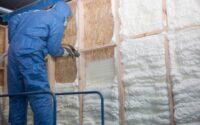
Flat-style roofing with foam and elastomeric coatings, common on many Phoenix-area homes, can handle this heat well when the system is maintained and the coating is renewed on a regular schedule. But when coatings become brittle or start to separate from the substrate, water can get in – and once moisture finds its way under a roof system in Arizona, you can end up with damage that’s much more expensive to fix than a timely coating refresh would have been.
Tile roofs, both concrete and clay, perform well in the heat and are widely used throughout the metro area. But they’re not maintenance-free. The underlayment beneath the tiles degrades over time and eventually needs replacement even when the tile itself is still in good condition. And cracked or broken tiles create direct paths for water to reach that underlayment.
Monsoon season, typically July through September, adds a different kind of stress. The storms are fast, intense, and can include hail, high winds, and significant rainfall in a short period. Roof damage from monsoon events often isn’t obvious from the ground – which is why getting a professional inspection after a significant storm is a smart habit.
Choosing a Roofing Contractor in the Phoenix Area
The Phoenix metro is a large market, and there are a lot of roofing contractors competing for work. The range in quality is significant. Working with an established, locally experienced company matters more here than in many markets, because the specific materials, techniques, and failure modes of Arizona roofing require specialized knowledge.
When evaluating contractors, look for:
Verifiable local experience. A company that has been working in the Phoenix market for multiple years will understand the specific challenges – how to specify materials that hold up in the heat, how to handle roof-to-wall flashings in a desert climate, how to approach the foam coating systems that are common in this market.
Proper licensing and insurance. Arizona requires roofing contractors to hold a ROC (Registrar of Contractors) license. Verify it before signing anything. General liability insurance and workers’ comp coverage protect you if something goes wrong during the job.
Clear written proposals. A good contractor will give you a detailed written scope of work that specifies exactly what’s being done – not vague references to “standard” procedures. If something isn’t in the contract, don’t assume it’s included.
Transparent communication. The best contractors communicate proactively. They tell you what they found during inspection, explain what they recommend and why, and keep you informed throughout the job. If a contractor is vague about the scope or pushes you to decide quickly, that’s a concern.
If you’re in the East Valley, there are experienced professionals offering roofing help in Apache Junction who understand the conditions specific to that part of the metro. And if you’re on the west side, roofing contractors in Peoria with a strong track record in the area are worth prioritizing over regional or out-of-state companies without local roots.
Inspections: When and Why
Roof inspections are something most homeowners only think about when there’s an obvious problem. But proactive inspections are the most cost-effective tool you have for extending roof life and catching issues before they become expensive.
Here’s when to schedule one:
Before buying a home. A roofing inspection during the due diligence period can reveal issues the general home inspector may have missed and give you a more accurate picture of remaining roof life. This information has real value in negotiations.
After a significant monsoon storm. Hail, high winds, and debris impact can cause damage that’s not visible from the ground. A post-storm inspection can catch problems early.
Annually as general maintenance. Once a year, particularly in spring before the monsoon season begins, is a sensible interval for a professional look at your roof. It’s a small investment that can prevent much larger ones.
When you notice early warning signs. Staining on interior ceilings, granule accumulation in gutters, visible cracking or blistering on a flat roof, and broken or missing tile are all reasons to schedule an inspection promptly rather than waiting.
Common Roofing Services in the Phoenix Metro
Foam roof recoating. Spray polyurethane foam roofs need a fresh elastomeric coating every five to ten years to maintain their weatherproofing. The coating protects the foam from UV degradation and seals out moisture. This is a maintenance service, not a full replacement, and when done on schedule it significantly extends the life of the system.
Tile repair. Cracked, broken, or slipped tiles need to be addressed before they compromise the underlayment. Tile repair is usually a straightforward job, but the quality of the flashing work around penetrations matters as much as the tile itself.
Underlayment replacement. When the underlayment beneath a tile roof reaches the end of its service life, it’s typically replaced while the tile is removed and relaid. This is a more involved project than a simple tile repair but often extends the serviceable life of a tile roof by decades.
Full roof replacement. When a roof system has reached the end of its useful life, a full replacement is the right answer. The timing and scope depend on the existing material and condition.
For homeowners who want to learn more about the services available in the greater Phoenix area, you can visit Phoenix Pro Roofing website to understand the full range of what a locally focused Phoenix roofing company offers.
The Bottom Line
Your roof is under a lot of stress in Arizona – more than in most parts of the country. Staying ahead of that means regular inspections, timely maintenance, and choosing contractors who genuinely understand the conditions your roof faces. Don’t wait for an interior stain or a visible crack to prompt action. A little investment in proactive care will pay off significantly over the life of the home.

