



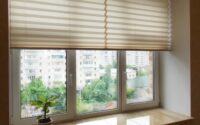


Why Window Treatments Are Worth the Investment
Walk through any well-designed home and you will notice that the windows are never an afterthought. The treatment of each window — whether it is dressed with sleek roller shades, soft roman shades, classic plantation shutters, or tailored wood blinds — contributes to the room’s character in a way that is hard to articulate but immediately felt. Window coverings frame the view, balance the light, define the mood of a space, and tie together the furnishings and finishes around them. In Madison, Wisconsin, where natural light is precious for much of the year and privacy from neighboring homes is often a priority, the choices you make about your windows matter.
Beyond aesthetics, window treatments provide functional benefits that justify their cost many times over. Quality blinds and shades can meaningfully reduce heat loss in winter and heat gain in summer, lowering your energy bills year-round. They protect your furniture, flooring, and artwork from UV damage that would otherwise cause fading over time. And they give you control over your environment — the ability to flood a room with morning light, cut afternoon glare, or close off a space completely for sleep or privacy — in ways that bare windows simply cannot provide.
What Sets Luxury Blinds and Shades Apart
The window treatment market spans a wide range of quality levels, and the differences between entry-level and premium products are significant and lasting. Luxury blinds Madison, WI homeowners invest in typically feature higher-grade materials, more precise manufacturing tolerances, superior hardware, and a range of customization options that off-the-shelf products cannot match.
In wood blinds, for example, premium products use carefully selected and finished basswood or ramin slats that are consistent in color, perfectly flat, and finished with durable coatings that resist moisture and UV degradation. Budget blinds often use lower-grade wood that warps, fades unevenly, and feels noticeably inferior. The difference is visible and tactile — the weight of a slat when you tilt it, the smoothness of the lift mechanism, the precision with which the blind closes to the sill.
In shades, the distinction between quality levels shows up in fabric selection, the precision of the roller mechanism, and the hardware used for mounting. High-quality cellular shades use fabrics with consistent cell structure and tight seams that maintain their shape over years of daily use. Premium roller shades use tensioned mechanisms that prevent the fabric from wandering or developing uneven seams over time. These details matter, because window coverings are used multiple times every day — the hardware takes more cumulative stress than almost any other fixture in your home.
Motorization options available in premium lines are another distinguishing factor. The quietness of the motor, the precision of the limit settings, and the reliability of the control systems all vary significantly between manufacturers. The best motorized systems operate smoothly and silently, integrate seamlessly with smart home platforms, and come with warranties and support structures that give you confidence in their long-term performance.
Room-by-Room Considerations for Madison Homes
Every room in your home has different requirements for light management and privacy, and the best window treatment solutions are tailored to those requirements rather than applying a one-size-fits-all approach.
Bedrooms benefit most from blackout or near-blackout solutions, particularly in Madison where long summer days mean early sunrises that can disrupt sleep. Blackout cellular shades installed inside the window frame, potentially combined with drapery panels, can achieve near-complete darkness even in the middle of the day. In addition to blocking light, the cellular structure of quality blackout shades also provides sound dampening, which is a meaningful bonus in urban or suburban environments where outside noise is a factor.
Living rooms typically call for a balance between privacy, light control, and aesthetics. Light-filtering shades or sheers allow natural light to diffuse into the room while obscuring the view from outside. In rooms with desirable views, top-down bottom-up shades are a popular choice — they can be lowered from the top to allow light and a view of the sky while maintaining privacy at eye level. For living rooms with strong architectural character, plantation shutters or wood blinds can complement traditional or transitional design styles particularly well.
Kitchen and bathroom windows require moisture-resistant materials. Faux wood blinds are a perennially popular choice for these spaces because they offer the warm appearance of real wood with the practicality of a material that will not warp or crack in humid conditions. Aluminum blinds are another practical choice for utility-focused applications. In bathrooms with frosted or obscured glass that already provides privacy, a simple roller shade in a moisture-rated fabric can provide a clean, minimal look.
Home offices have seen renewed attention in recent years as remote work has become more common. Managing glare on computer screens is a key priority, and light-filtering roller shades or sheer shades are particularly effective here — they reduce harsh direct light without plunging the room into darkness. Motorized options are especially useful in home offices, where adjusting window coverings throughout the day to track the sun’s movement is something you might do many times without thinking twice.
The Consultation and Measurement Process
One of the most important steps in any window treatment project is the in-home consultation. Shopping for window coverings from photos and fabric samples alone has real limitations — you cannot fully appreciate how a product will look in your specific space, with your specific light, against your specific wall colors and furnishings, until you see actual samples in the room. A professional in-home consultation brings large physical samples into your space and allows you to evaluate options under real conditions.
During a consultation, a window treatment specialist will assess each window’s dimensions, mounting options, and any architectural features that affect the installation. They will take note of how the light moves through each room and what your priorities are in terms of privacy, light control, and aesthetics. They will present product recommendations matched to those needs and walk you through the available options within each category — fabrics, opacities, operating systems, motorization, and hardware finishes.
Accurate measurement is then critical to achieving a proper fit. Window openings are rarely perfectly square, and the depth of the window frame determines whether an inside mount installation is feasible for a given product. Professional measurers are trained to capture all the dimensions required to order products that fit precisely, accounting for the quirks of each individual window rather than relying on nominal sizes that may not match the actual opening.
Why Local Expertise Matters in Madison
Madison is a city with a distinctive character — a mix of historic neighborhoods, mid-century homes, and newer construction in the outlying communities. The architectural diversity of the housing stock means that window treatment solutions that work well in one context may not translate to another. Local expertise means working with someone who has seen a wide range of Madison homes, understands the typical window configurations and construction styles in the area, and can draw on that experience when making recommendations.
Local professionals also understand the Madison climate and can factor that into their recommendations. In a city where winters routinely see temperatures well below freezing, energy efficiency considerations are not theoretical — they translate directly into heating costs. A consultant who understands how much difference the right cellular shade or interior shutter can make on a drafty window is providing genuinely useful guidance, not just selling product.
When you are ready to explore your options and see what is available, you can see Bumble Bee Blinds Madison and connect with a local team that brings product knowledge, measurement expertise, and installation capability under one roof. The combination of a wide product selection and personalized local service means you get both the right products and the confidence that they will be installed correctly.
Making the Decision
Choosing window treatments for your home is a significant but rewarding decision. The right products, properly installed, will serve you well for many years and make a visible difference in how your home looks and feels every day. Taking the time to work with a professional rather than rushing to a quick off-the-shelf solution typically results in much greater satisfaction with the outcome.
Start by thinking through your priorities for each room. Is privacy the main concern, or is managing afternoon glare more important? Do you want something low-maintenance, or are you willing to clean wood blinds regularly to enjoy their natural beauty? Are you interested in motorization now, or might you want to upgrade to it in the future? These questions help focus the conversation with a professional and lead to recommendations that genuinely fit your life.
Budget realistically. Window treatments for a whole home represent a meaningful investment, and spreading the work across multiple phases is a completely reasonable approach — prioritizing the rooms you use most and where the functional need is greatest, then adding other rooms over time. A good professional will help you make the most of whatever budget you have available rather than pushing you toward the most expensive options regardless of fit.
The end result — rooms where the light is exactly as you want it, where privacy is maintained without sacrificing warmth or character, and where every window looks finished and intentional — is worth the care you put into getting there.
