





A basement flood can go from “a little water” to “how is this happening?” in what feels like minutes. Whether it’s a heavy storm, a burst pipe, a failed sump pump, or a backed-up drain, the first few hours matter a lot. The choices you make right away can reduce damage, lower repair costs, and help prevent longer-term issues like mold, odors, and warped materials.
This checklist is designed for real life: you’re stressed, you’re juggling safety concerns, and you want clear next steps. We’ll walk through what to do immediately, what to document, how to dry things properly, and when it’s time to call in professional help. If you’re in the Stamford area and searching for fast support, you’ll also see where Stamford PuroClean can fit into the plan—without turning this into a sales pitch.
One more note before we dive in: not all floodwater is the same. Clean water from a supply line is very different from gray water (dishwasher, washing machine) or black water (sewage). When in doubt, treat it as contaminated and prioritize safety.
First things first: keep everyone safe
1) Stop and assess hazards before stepping into water
It’s tempting to rush down the stairs and start saving boxes, but take a breath first. Basement floodwater can hide sharp debris, broken glass, nails, or uneven flooring. If the water is murky, assume you can’t see what you’re stepping on.
Also consider air quality. A flooded basement can stir up dust, bacteria, and chemical residues. If you smell gas, hear hissing, or feel dizzy, leave immediately and call your utility provider or emergency services. Safety beats speed every time.
If you have pets or kids, keep them away from the basement entirely until you’ve confirmed it’s safe. Put a physical barrier at the top of the stairs if needed—this is one of those moments where a simple gate or closed door prevents a lot of chaos.
2) Shut off electricity (and sometimes gas) the right way
If water has reached outlets, baseboard heaters, appliances, or your electrical panel area, do not enter the water to flip switches. Electricity and standing water are a dangerous combination. If the breaker panel is accessible without stepping in water, turn off power to the basement first, then consider shutting off the main breaker.
If you’re not sure what’s safe, call an electrician or your utility company. It’s not overreacting—electrical shock is one of the biggest risks in basement flooding. Using a flashlight (not a plug-in lamp) is a safer way to see what you’re doing.
For gas: if the flood has impacted gas appliances (like a furnace or water heater) or you smell gas, leave and call your gas provider. Don’t try to “fix” a gas issue yourself in a flooded environment.
3) Gear up before you touch anything
Even “clean-looking” water can carry contaminants from the floor, stored chemicals, or sewer gases. At minimum, wear waterproof boots, thick gloves, and eye protection. If you suspect contamination (or you’re not sure), add an N95 or better respirator.
Old basements often have fiberglass insulation, crumbling drywall, or dusty surfaces that become airborne when disturbed. A mask and goggles aren’t just for comfort—they reduce exposure while you work.
Keep a dedicated “flood kit” if you can: heavy-duty trash bags, a headlamp, gloves, painter’s tape, a utility knife, basic tools, and a few large plastic bins. It pays off the next time a storm hits.
Stabilize the situation: stop the source and limit spread
4) Identify the water source (storm, plumbing, appliance, sewer)
Your next move depends on where the water is coming from. If it’s a burst pipe or a failed appliance line, shut off the home’s water supply at the main valve. If you have a localized shutoff for a specific fixture, that works too, but the main valve is often faster.
If it’s stormwater, check downspouts, window wells, and sump pump operation. A sump pump that’s running but not discharging properly can still let water rise. If the discharge line is frozen or clogged, the pump may be working hard for nothing.
If you suspect sewage backup (strong odor, dark water, visible waste), stop using water in the home immediately—no toilets, no sinks, no laundry. This can prevent the backup from getting worse while you call for help.
5) Protect unaffected areas and the upstairs
Water migrates. Even if the flood seems “contained,” it can wick into drywall, seep under flooring, and travel along framing. If you have a finished basement, water can move behind baseboards and into wall cavities.
Close doors to adjacent rooms, and if you can safely do so, place towels or absorbent barriers at thresholds to slow spreading. Move valuable items from nearby storage areas to a dry zone—ideally upstairs. If you have plastic sheeting, you can use it to cover furniture legs or create a quick barrier.
If the basement is unfinished, you still want to protect your mechanicals. Elevate items like extension cords, stored paint cans, and household chemicals. If you can move them out of the basement entirely, even better.
6) Decide quickly: DIY cleanup or professional mitigation?
Some situations are manageable with household tools: a small amount of clean water, caught early, with minimal saturation. But if water is more than an inch deep, has been sitting for hours, involves sewage, or soaked drywall and insulation, professional water damage mitigation is usually the safer (and often cheaper) path long-term.
The big reason is hidden moisture. Carpets, subfloors, and wall cavities can hold water long after the surface looks dry. That trapped moisture is what leads to swelling, rot, and mold. Pros use moisture meters, thermal imaging, commercial dehumidifiers, and controlled drying plans that are hard to replicate with a few fans.
If you’re unsure, treat it like a triage decision: you can start with safe actions (documenting, removing small items, basic water extraction) while you get professional guidance.
Document everything before you start tossing items
7) Take photos and video like an insurance adjuster would
Before you move things around, document the water line on walls, damaged furniture, soaked boxes, and any obvious source (like a broken pipe). Take wide shots of each area, then close-ups of specific damage. Narrated video can be helpful: walk through and explain what happened and when you noticed it.
Don’t forget less obvious items: waterlogged baseboards, bubbling paint, buckled laminate, soaked insulation, and any damaged electronics. Open cabinets and film inside if water reached them.
If you can, include a quick shot of the date/time on your phone screen or a current newspaper. It’s not required, but it can help establish a timeline.
8) Start a simple damage log (it saves headaches later)
Create a note on your phone or a spreadsheet with: date/time discovered, suspected cause, actions taken (shut off water, called plumber, etc.), and a list of damaged items. Add receipts if you have them, or approximate purchase dates and costs.
Track any emergency expenses too—pump rental, shop vac filters, dehumidifier purchase, fans, cleaning supplies, hotel stays. Many policies reimburse reasonable mitigation costs, but you’ll want documentation.
If you talk to your insurer, write down the claim number, the representative’s name, and what they advise. This keeps everyone on the same page if questions come up later.
9) Call your insurance company early (but keep mitigating)
Once you’ve documented the scene and ensured safety, call your insurance provider. Ask what your policy covers, whether you need pre-approval for certain work, and how they want you to document mitigation and repairs.
At the same time, most policies require you to prevent further damage. That means you shouldn’t wait days for an adjuster before removing standing water or starting drying. The key is to document first, then act.
If your basement has a sump pump failure or sewer backup, ask specifically about endorsements. Coverage varies a lot, and it’s better to know upfront what you’re working with.
Get the water out: extraction without making things worse
10) Remove standing water safely and efficiently
For small amounts of water, a wet/dry shop vac can work. For deeper flooding, a submersible pump is faster. If you’re pumping out a basement with significant water depth, do it gradually—draining too quickly can create pressure differences that may damage foundation walls in certain situations.
As you extract, keep an eye on your pump discharge location. You don’t want to send water toward your foundation or your neighbor’s property. Aim for a storm drain or a safe downhill area where water won’t cycle back into the home.
Empty the shop vac outdoors and disinfect it afterward. If the water might be contaminated, treat the equipment like it’s contaminated too.
11) Pull up wet materials that trap moisture
Carpet and padding are notorious for holding water. If they’re soaked, they often need to come out—especially the padding, which can become a sponge full of bacteria. If you’re trying to salvage carpet, you’ll need rapid extraction and professional-grade drying.
For laminate and engineered flooring, swelling and warping can happen quickly. If planks are buckling, water has likely gotten underneath. Removing sections early can reduce how far the damage spreads.
Drywall is another big one. If it’s wet, it can wick moisture upward. A common rule is to remove drywall at least 12 inches above the water line, but the right approach depends on the type of water and how far it wicked. When in doubt, get professional guidance, because cutting too little leaves moisture behind and cutting too much increases rebuild costs.
12) Don’t forget the hidden reservoirs: insulation, wall cavities, and subfloors
Basements love to hide moisture. Water can sit under floating floors, behind baseboards, inside insulation, and around sill plates. Even if the surface feels dry, moisture can remain high enough to cause mold growth within 24–48 hours.
If you have fiberglass batt insulation that got wet, it usually needs removal. It doesn’t dry well in place, and it can slump or lose effectiveness. Foam board may be salvageable depending on contamination and how it was installed.
Subfloors (especially OSB) can swell and delaminate. If you catch it early and dry aggressively, you might save it. If not, it can become soft and uneven, leading to squeaks and flooring failure later.
Drying the right way: where most DIY efforts fall short
13) Set up airflow and dehumidification with a plan
Drying isn’t just “turn on a fan.” You want controlled airflow across wet surfaces, plus dehumidification to pull moisture out of the air. If you only use fans, you may evaporate water into the air without removing it—leaving humidity high and slowing drying.
Open windows only if outdoor humidity is lower than indoor humidity. On a muggy day, open windows can make things worse. A hygrometer (humidity meter) is inexpensive and surprisingly helpful for making these calls.
Position fans to create a circular airflow pattern rather than blasting one spot. If you have multiple rooms, focus on the wettest areas first and keep interior doors open to promote circulation.
14) Use heat carefully (and know when it’s a bad idea)
Warm air can speed evaporation, but too much heat can warp materials or cause rapid drying on the surface while moisture stays trapped deeper inside. That can lead to cupping in wood floors or cracking in certain finishes.
If you use heaters, keep them well away from standing water and cords. Never use gas-powered heaters indoors due to carbon monoxide risk. Electric space heaters can help in small areas, but they’re not a replacement for dehumidification.
Professionals often use a balanced approach: moderate heat, strong dehumidification, and measured airflow. The goal is steady drying, not “bake it and hope.”
15) Check progress daily with simple indicators
If you have a moisture meter, use it on baseboards, studs, and subfloor areas. If not, you can still monitor progress: are surfaces drying evenly, is humidity dropping, and do musty odors persist? Musty smells are a sign that moisture remains somewhere.
Look for visual cues: darkened wood, swelling, peeling paint, or condensation on pipes and windows. Those can indicate the basement is still too humid.
It’s also worth checking adjacent spaces. Moisture can migrate into a nearby closet, stairwell walls, or the underside of main-floor flooring. Catching that early prevents a “second wave” of damage.
Cleaning and disinfecting: matching the method to the water type
16) Clean all hard surfaces, then disinfect (in that order)
Cleaning removes dirt and organic material; disinfecting reduces microorganisms. If you disinfect without cleaning first, you can trap grime and reduce the disinfectant’s effectiveness.
Use a detergent solution on concrete, sealed wood, plastic bins, metal shelving, and other hard surfaces. Scrub where needed, rinse if appropriate, then apply a disinfectant according to label directions (including dwell time).
Be cautious mixing chemicals—especially bleach and ammonia (never mix). If you’re using bleach, ensure ventilation and follow safe dilution guidelines. For many homeowners, an EPA-registered disinfectant is a simpler and safer choice.
17) Soft goods and porous items: decide what’s worth saving
Porous materials (mattresses, upholstered furniture, particleboard furniture, paper goods) can be difficult to fully clean and dry, especially if the water was contaminated. Sometimes the healthiest choice is to let go of items rather than risk lingering bacteria or mold.
For washable textiles, launder with hot water if the fabric allows, and dry completely. For items with sentimental value, consider professional cleaning or restoration services—especially for photographs, books, and keepsakes.
When you’re deciding, think long-term: if an item smells musty after drying, it likely still has moisture or microbial growth inside. That smell often comes back when humidity rises.
18) Odor control is not the same as remediation
Air fresheners and odor “bombs” can mask smells, but they don’t solve the underlying moisture issue. If odors persist, it usually means something is still wet, contaminated, or growing.
HEPA air filtration can help reduce airborne particles during cleanup, especially if you’re removing drywall or insulation. But again, filtration supports the process—it doesn’t replace drying and removal of damaged materials.
If you’re tempted to paint over stains or odors, pause. Sealing without drying can lock moisture in and create bigger problems behind the wall later.
Mold risk: the 24–48 hour clock you shouldn’t ignore
19) Know the early warning signs of mold growth
Mold doesn’t always show up as obvious black spots. Early signs include a persistent musty smell, increased allergy symptoms, and subtle discoloration on drywall or wood. You might also see fuzzy growth on cardboard boxes, fabric, or the underside of carpets.
Basements are naturally mold-friendly because they’re cooler, darker, and often more humid. After a flood, those conditions can accelerate growth quickly, especially behind walls where airflow is limited.
If you see mold, avoid disturbing it. Scrubbing or tearing into moldy material can release spores into the air and spread contamination to other areas.
20) When to bring in professionals for testing and remediation
If the flooded area is large, if water sat for more than a day, or if you’re dealing with recurring dampness, professional help is a smart move. Proper assessment can identify where moisture remains and whether mold is present in hidden cavities.
In many cases, homeowners specifically need mold detection and safe removal rather than just surface cleaning. The “safe removal” part matters because containment, filtration, and correct disposal prevent cross-contamination.
If anyone in the home has asthma, allergies, is immunocompromised, or you have small children, it’s worth being extra cautious. Mold issues can become a health stressor on top of the property stress.
21) Avoid common DIY mold mistakes
One common mistake is spraying bleach on porous materials like drywall or wood and assuming the problem is solved. Bleach may discolor the surface, but it often doesn’t penetrate deeply enough to address root growth in porous substrates.
Another mistake is sealing up a space too soon. Closing walls before moisture readings are back to normal can trap humidity and create a perfect mold incubator. If you’re rebuilding, make sure drying is verified, not guessed.
Finally, be wary of “miracle” ozone machines or foggers used without proper training. These tools can be helpful in specific contexts, but misuse can create safety issues and still fail to solve the underlying moisture source.
Repair decisions: what to remove, what to restore, what to rebuild
22) Sorting materials into three buckets: salvage, questionable, discard
A practical way to make decisions is to categorize items and materials. Salvage: non-porous items that can be cleaned and fully dried (metal shelving, many plastics, some solid wood). Questionable: items that might be saved with professional drying (some hardwood, certain furniture, area rugs). Discard: items that trap water and are hard to disinfect (padding, particleboard, many upholstered pieces).
This approach reduces decision fatigue. Flood cleanup can overwhelm you with hundreds of micro-choices, and a simple system helps you keep moving.
When in doubt, prioritize health and structural integrity over saving a few materials. It’s frustrating to throw things away, but it’s more frustrating to rebuild twice because moisture was left behind.
23) Drying verification before rebuilding (the step people skip)
Rebuilding too early is one of the most expensive mistakes after a flood. New drywall, trim, and flooring can look great for a few weeks—until trapped moisture causes swelling, odors, and mold. Then you’re back to demolition.
Verification can be as simple as moisture meter readings taken over multiple days that show stable, acceptable levels. Professionals also use thermal imaging to find cold, damp pockets that aren’t obvious.
If you’re coordinating with insurance, ask how they want drying documented. Having proof that materials were dry before rebuild can prevent disputes later.
24) When you need rebuild help beyond cleanup
Flood recovery often turns into a construction project: replacing drywall, insulation, flooring, baseboards, doors, or even parts of a finished basement layout. If structural components were affected, you may need carpentry and reconstruction, not just drying.
This is where having skilled reconstruction contractors can streamline the process, especially if you want one coordinated plan from mitigation through rebuild. It reduces the “handoff gaps” where one team finishes and another team finds problems later.
Even if you hire separate trades, ask them to coordinate on sequencing. For example: framing and insulation decisions affect electrical, drywall timing affects flooring, and painting too early can trap moisture.
Basement flood checklist you can follow in real time
25) The first hour: your priority list
Safety: Keep people and pets out, assess electrical risk, shut off power if safe, and gear up. If there’s any chance of sewage or contamination, treat it seriously from the start.
Stop the source: Shut off water supply for plumbing failures, check sump pump and discharge lines for storm events, and stop using water if you suspect a backup.
Document: Photos, video, water lines, and damaged items before you move things around. Then call insurance once you have the basics captured.
26) The first day: extraction and drying setup
Remove standing water: Shop vac for small amounts, pump for larger volumes, and discharge water away from the foundation. Work steadily and safely.
Remove wet traps: Pull padding, remove soaked drywall if needed, and get wet cardboard and textiles out of the space. The goal is to eliminate materials that will never dry properly in place.
Start controlled drying: Fans + dehumidifiers, with humidity monitoring. Don’t assume “it feels dry” means it is dry.
27) Days two and three: cleaning, monitoring, and decision-making
Clean and disinfect: Especially if water wasn’t clean. Follow label directions and prioritize ventilation and personal protective equipment.
Monitor: Check humidity, odors, and adjacent spaces. If musty smells persist, moisture is still present somewhere or mold has started.
Plan the rebuild: Decide what’s being replaced, what’s being restored, and what needs professional attention. If materials are still wet after 48 hours despite your best efforts, it’s time to escalate the response.
Preventing the next flood: practical upgrades that actually help
28) Sump pump reliability: redundancy beats regret
If you have a sump pump, test it regularly by pouring water into the pit until the float triggers. Make sure it discharges properly and that the line isn’t blocked or frozen. If your pump is older, consider proactive replacement.
A battery backup sump pump is one of the best defenses against storms that knock out power. It’s not just about convenience—it’s about preventing the exact scenario where heavy rain and power loss happen together.
Also consider an alarm that alerts you when water rises. Catching a failure early can turn a major flood into a minor cleanup.
29) Downspouts, grading, and window wells: the boring stuff that works
Many basement floods are simply water management problems outside the home. Downspouts should discharge several feet away from the foundation, and extensions should direct water downhill whenever possible.
Check grading around your home. If the ground slopes toward the foundation, rainwater will follow it. Regrading or adding drainage solutions can make a dramatic difference.
Window wells should be clear of debris, and covers can help reduce the amount of water that pours in during storms. If you’ve ever seen a window well fill like a bathtub, you know how fast it can become a leak point.
30) Smart storage and basement layout choices
Even with good prevention, basements are still basements. Store important items in sealed plastic bins, not cardboard. Keep valuables off the floor on shelving that’s anchored and stable.
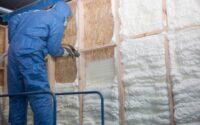
If you’re finishing a basement, choose water-resistant materials where possible: closed-cell foam insulation, moisture-resistant drywall products, and flooring that can handle occasional dampness better than carpet.
Finally, keep a clear path to your sump pump, shutoff valves, and electrical panel area. In an emergency, accessibility matters more than perfect storage organization.
A calm plan beats panic every time
31) Build your “next time” checklist while this is fresh
Once the immediate crisis is over, take 15 minutes to write down what you wish you had ready: where the shutoff valve is, what tools you needed, who you called, and what you’d do differently. Store it somewhere easy to find (like a note pinned on your phone).
Basement floods are stressful partly because they’re unfamiliar. Turning your experience into a plan gives you back a sense of control—and can make the next event far less disruptive.
If you’re a homeowner who likes to be prepared, consider keeping a small tote with PPE, a headlamp, trash bags, and a basic moisture meter. It’s a modest investment that can save hours later.
32) Know when to hand it off and protect your time
Flood recovery is physically demanding and emotionally draining. If you’re working long hours, caring for family, or dealing with health concerns, it’s okay to bring in help earlier rather than later.
The goal isn’t to “tough it out.” The goal is to get your home dry, safe, and stable so you can move forward. Sometimes that means delegating the hardest parts—especially demolition, drying verification, and anything involving contamination.
Whatever path you choose, following a step-by-step approach—safety, source control, documentation, extraction, drying, cleaning, and verified rebuilding—will give you the best chance of a smooth recovery after a basement flood.
