




If you’ve ever stood in a freshly tiled shower and thought, “Well, this must be waterproof now,” you’re in very good company. Tile looks solid, grout feels like it seals everything up, and the whole system appears built to handle water all day long. The reality is a bit surprising: tile is more like a stylish raincoat than a watertight barrier. It sheds water, but it doesn’t stop it completely. And in a shower, “mostly stopped” isn’t good enough.
Waterproofing is the hidden system that prevents moisture from sneaking into the walls, subfloor, and framing behind your shower. When it’s done right, you never think about it. When it’s skipped, rushed, or installed incorrectly, you can end up with mold, rot, loose tile, and repairs that cost far more than the original shower ever did.
This guide breaks down what shower waterproofing actually is, why tile and grout can’t do the job alone, and what a properly waterproofed shower should include. If you’re planning a remodel, dealing with a suspicious leak, or just trying to understand what you’re paying for, you’ll come away with a clear checklist and a lot more confidence.
Tile is the finish layer, not the barrier
Tile is durable and water-resistant, but it isn’t waterproof. Most ceramic and porcelain tiles are fairly low-porosity, yet water can still pass through grout lines, tiny cracks, corners, and penetrations (like plumbing fixtures). Even the best grout is not a permanent seal; it’s a cementitious product that can absorb moisture over time.
Think of a shower as a “wet room” that’s intentionally exposed to water daily. Steam, splashes, and direct spray hit the walls and floor constantly. Water will find the easiest path—through grout, around the base of the shower, and into the smallest gaps. Without a waterproofing system behind the tile, that moisture can soak into drywall, cement board seams, wood studs, and subflooring.
That’s why a shower needs a complete water-management plan: a waterproof layer, proper drainage, correctly sealed transitions, and materials that can tolerate occasional moisture without breaking down. Tile is just the visible part of that plan.
What “waterproofing” really means in a shower
Waterproofing in a shower refers to creating a continuous, sealed barrier that prevents water from reaching moisture-sensitive building materials. This barrier can be a sheet membrane, a liquid-applied membrane, a foam backer system with sealed seams, or a traditional liner-and-mortar approach—depending on the design and the contractor’s method.
But here’s the key: it’s not one product. It’s a system. That system includes how the walls are prepared, how corners are reinforced, how the shower pan is built, how the drain is integrated, and how penetrations are sealed. A “waterproof” label on a bucket doesn’t guarantee a waterproof shower if the details are wrong.
When you hear pros talk about waterproofing, they’re usually thinking about continuity—making sure there are no gaps where water can bypass the barrier. Most shower failures happen at transitions: wall-to-floor joints, inside corners, curb edges, niches, benches, and around valves and shower heads.
Where the water goes when it gets past the tile
Even in a well-used shower, small amounts of water can migrate behind the tile. Grout lines are the main pathway, but hairline cracks, movement, and imperfect caulking can also contribute. Once water gets behind the tile, it will follow gravity and capillary action, spreading to adjacent areas.
If the backing material is drywall (still common in older builds), moisture can quickly soften it, leading to tile loosening and mold growth. Cement board is more moisture-tolerant, but it isn’t waterproof either—water can pass through it and reach the studs or insulation. Over time, repeated wetting and drying cycles can cause wood framing to expand and contract, creating movement that cracks grout and tile.
On the floor, water that penetrates the tile layer can saturate the mortar bed or underlayment. If the shower pan isn’t properly sloped to the drain, that moisture may linger, causing odors, efflorescence (white mineral deposits), and eventually damage to the subfloor. This is why waterproofing and slope are inseparable topics.
Common warning signs that a shower isn’t waterproofed properly
Some shower waterproofing failures are dramatic—like a ceiling stain below the bathroom. Others are slow and sneaky, building up damage behind the scenes for years. Catching early signs can save you from a full tear-out later.
One of the most common clues is recurring mold or mildew that returns quickly after cleaning. While bathrooms are naturally humid, persistent mold concentrated around corners, the bottom row of tile, or a niche can point to moisture getting trapped where it shouldn’t.
Other red flags include cracked grout that reappears after repairs, loose or hollow-sounding tiles, swelling at the baseboards outside the shower, peeling paint on adjacent walls, and a musty smell that never really goes away. If you notice any of these, it’s worth investigating sooner rather than later.
Shower waterproofing systems you’ll hear about (and what they mean)
There are several reputable ways to waterproof a shower, and the “best” choice depends on your shower design, budget, and who’s installing it. What matters most is that the system is installed correctly and treated as a complete assembly—not a mix-and-match of parts that weren’t designed to work together.
Broadly, waterproofing approaches fall into a few categories: liquid-applied membranes, sheet membranes, foam board systems with sealed seams, and traditional liners with mortar beds. Each has pros and cons, and each has specific details that must be followed to avoid leaks.
Let’s break them down in a practical way so you can recognize what’s being proposed for your project and ask smarter questions.
Liquid-applied membranes
Liquid membranes are rolled, troweled, or brushed on like thick paint. Once cured, they form a flexible waterproof layer. They’re popular because they can be applied over cement board and shaped around niches, benches, and odd angles without needing many cuts.
The catch is thickness and coverage. Liquid membranes need to be applied at the manufacturer’s specified thickness—too thin and you’ll have weak spots; too thick and it may not cure properly. Pros often use a wet film gauge to confirm thickness, and they typically reinforce corners and seams with fabric or mesh as required.
Drying time also matters. If tile goes on before the membrane cures, you can trap moisture and compromise the bond. A properly scheduled job accounts for these cure times, even if it adds a day.
Sheet membranes
Sheet membranes are thin waterproof sheets installed over the substrate and sealed at seams with overlap, banding, or specialized adhesives. They’re known for consistent thickness and reliable performance when installed carefully.
Because sheets are pre-manufactured, you don’t have to guess whether you applied enough product. That consistency is a big advantage. The main challenge is detail work: corners, curbs, and penetrations must be sealed perfectly, and seams must be overlapped correctly.
Sheet systems are often paired with integrated shower pans and drains designed to work together. When everything is compatible and installed by the book, the result is a very robust waterproofing assembly.
Foam backer board systems
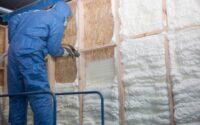
Foam boards are lightweight panels that are inherently waterproof, typically with a reinforced surface designed for tile adhesion. Seams and fasteners are sealed using compatible tape and sealant, creating a continuous barrier.
These systems can speed up installation and reduce the risk of moisture wicking through cement board. They’re also easier to cut and handle, which can help with labor time and precision—especially in tight bathrooms.
However, the system is only as good as the seam treatment. If corners aren’t sealed correctly or fasteners aren’t properly addressed, water can still get behind the panels.
Traditional shower pan liners and mortar beds
The traditional approach uses a PVC or CPE liner for the shower pan, with a sloped mortar bed above it and a clamping drain assembly. Walls may use cement board with a moisture barrier behind it, depending on local practices and code.
This method can work very well, but it’s detail-heavy. The liner must be properly folded at corners (not cut), carried up the walls to the correct height, and integrated with the curb without punctures in critical areas. Weep holes at the drain must remain open so water can escape from the mortar bed.
Many failures in older showers come from missing pre-slope beneath the liner, clogged weep holes, or curb penetrations. When done right, it’s durable; when shortcuts happen, problems can take a long time to show up—and then they’re expensive.
The shower pan: where waterproofing either shines or fails
If walls are the “splash zone,” the shower floor is the “standing water zone.” The pan has to handle constant water exposure, shampoo residue, and movement from foot traffic. It’s also where gravity collects water, so any weakness here can lead to leaks into the subfloor and beyond.
A properly built shower pan includes correct slope to the drain (so water doesn’t pool), a waterproof layer that’s integrated with the drain, and sealed transitions at the walls and curb. Prefabricated pans can be great when installed on a flat, supported base and paired with the right drain and membrane system.
Custom mortar pans can also be excellent, but they require skill and patience. The slope must be consistent, corners must be reinforced, and the drain connection must be watertight. If your shower has a bench or a niche, those features need to tie into the pan waterproofing as part of the same continuous system.
Niches, benches, and curbs: the high-risk details people underestimate
Shower niches and benches are popular because they look great and add real convenience. They’re also notorious leak points when waterproofing is treated like an afterthought. Every change in plane—every corner and edge—is a chance for water to sneak in.
Niches need waterproofing that wraps the entire box, including the back, sides, top, and especially the bottom. The bottom of a niche should be slightly sloped outward so water doesn’t sit against the back wall. Seams should be reinforced and sealed according to the membrane system being used.
Curbs are another common failure point. People step on them, water hits them, and they’re often punctured by fasteners during installation. A curb should be waterproofed continuously, with special attention to the inside corners where the curb meets the walls. If you’re using a traditional liner, curb treatment is a specialized skill—one careless nail in the wrong place can create a leak path.
Plumbing penetrations: small holes, big consequences
The shower valve, shower head arm, body sprays, and even handheld brackets create penetrations through your waterproofing layer. Each one needs to be sealed so water can’t travel along the pipe and into the wall cavity.
Many modern waterproofing systems have pre-formed gaskets or seals designed for these penetrations. When those aren’t used, installers may rely on sealant and careful detailing. Either way, the goal is the same: a tight, durable seal that can handle slight movement and temperature changes.
It’s also worth noting that trim plates aren’t waterproofing. They can help direct water away from the opening, but they’re not a substitute for sealing the membrane at the penetration itself.
Why grout and caulk still matter (even with perfect waterproofing)
It’s true that waterproofing behind the tile is the real protection. But grout and caulk still play an important role in keeping the shower clean, reducing how much water reaches the membrane, and preventing day-to-day issues like staining and soap buildup.
Grout choice matters. Cement-based grout is common and works well, but it can absorb moisture and stain over time. Epoxy grout is more water-resistant and stain-resistant, though it can be more expensive and trickier to install. Either way, grout isn’t the waterproofing layer—it’s part of the finish system.
Caulk (typically silicone in wet areas) is critical at changes of plane: wall-to-wall corners, wall-to-floor joints, and around certain fixtures. Grout in corners tends to crack as the building moves. A flexible sealant is designed to handle that movement without opening up a gap for water.
Waterproofing and ventilation: two halves of the same moisture story
Even a perfectly waterproofed shower can feel “damp” if the bathroom doesn’t vent humidity well. Waterproofing protects the structure from liquid water, while ventilation helps manage water vapor and overall moisture levels in the room.
Without good ventilation, you may see peeling paint, fogged mirrors for hours, and mildew on ceilings or around window trim. Those issues can happen even if the shower itself is built correctly. A properly sized, properly ducted exhaust fan (vented outside, not into an attic) makes a big difference in comfort and long-term durability.
In many renovations, upgrading the fan is one of those small line items that pays off for years. It also helps protect adjacent spaces—especially if your bathroom shares a wall with closets or bedrooms.
How waterproofing fits into a full renovation plan
Most homeowners don’t renovate “just” a shower in isolation. A bathroom update often ties into broader goals: improving layout, updating plumbing, changing lighting, fixing old subfloors, or modernizing finishes. Waterproofing sits at the center because it touches framing, plumbing, electrical planning (think niche lighting), and tile layout.
If you’re coordinating multiple projects—say, a bathroom upgrade alongside a larger main-floor refresh—it helps to think in systems. Water management in wet zones, airflow management in humid rooms, and durable materials in high-traffic areas all follow the same logic: build the boring parts right so the beautiful parts last.
In Hamilton, it’s common for homeowners to tackle projects in phases: bathroom first, then kitchen, then basement, or vice versa. If you’re mapping out a longer-term plan and comparing scopes, it can be helpful to browse a contractor’s broader offerings. For example, if you’re also planning a kitchen renovation in hamilton, you’ll notice the same “hidden work” principle applies—subfloor prep, plumbing details, and proper installation matter just as much as the cabinets you see every day.
Questions to ask your contractor before tile goes up
Waterproofing is one of those things you can’t easily inspect after the tile is installed. That means the best time to protect yourself is before the work begins and during the rough-in phase. A good contractor won’t be offended by questions—they’ll usually appreciate that you care about doing it right.
Start with the system: What waterproofing method will be used on the walls and the pan? Is it a full system from one manufacturer, or a combination of products? Then ask about the details: How will corners be reinforced? How will the curb be waterproofed? What’s the plan for niches and penetrations?
Also ask about testing. A flood test (where the pan is filled with water and left for a set period) is a common way to verify the pan is watertight before tile goes down. Not every project includes it by default, but it’s a very reasonable request—especially for curbless showers or custom pans.
Flood testing: the simplest check that prevents the biggest headaches
A flood test is exactly what it sounds like: the drain is temporarily plugged, the shower pan is filled with water to a specified level, and it’s left for a set amount of time (often 24 hours, depending on local practice and the system). The goal is to confirm the pan and drain connection hold water without any drop in level that can’t be explained by evaporation.
This test doesn’t guarantee every wall detail is perfect, but it’s a strong indicator that the most failure-prone area—the pan—has been built correctly. It’s especially helpful when you have a complex curb, multiple corners, or a curbless design that transitions into the bathroom floor.
If a contractor resists any form of verification, that’s worth paying attention to. Waterproofing is too important to rely on “trust me” alone.
Curbless showers and linear drains: modern look, higher waterproofing demands
Curbless showers are popular for accessibility and that clean, spa-like look. They can be fantastic, but they raise the bar for waterproofing and slope planning. Because the shower floor often blends into the bathroom floor, the waterproofing needs to extend farther and integrate cleanly with the rest of the room.
Linear drains can simplify slope (one-direction slope instead of four-way), but they also require precise installation. The drain must be level, properly supported, and correctly integrated with the waterproofing membrane. Small errors can lead to standing water or leaks at the drain connection.
For these designs, it’s especially important to work with installers who have done them before. The details matter more, and the margin for error is smaller.
What good waterproofing looks like during the build
If you happen to see the shower before tile goes up, there are a few visual cues that suggest the waterproofing is being treated seriously. Seams should look deliberate and consistent, corners should have reinforcement, and there shouldn’t be random gaps where the substrate is exposed.
On sheet systems, you’ll often see overlapping seams or banding at transitions. On liquid systems, you should see even coverage with no pinholes, thin spots, or missed areas—especially around niches and corners. Fasteners should be treated according to the system’s requirements.
Most importantly, the waterproofing should connect logically to the drain and pan. A beautiful wall membrane doesn’t help if the pan is wrong. Everything needs to tie together as one continuous barrier that directs water where it belongs.
Why hiring the right team matters more than the product you pick
Homeowners sometimes get stuck comparing membrane brands as if one magic product will guarantee success. In reality, reputable waterproofing systems can all work well. The bigger factor is the installer: their attention to detail, their willingness to follow the system instructions, and their experience with the specific shower design you’re building.
This is where local experience counts. Homes in Hamilton range from century-old builds with quirky framing to newer construction with different challenges. Tying a new shower into an older structure often requires extra prep—flattening walls, addressing out-of-level floors, and making smart choices about where to place seams and transitions.
If you’re vetting pros, look for a team that’s comfortable handling the full scope—demo, framing fixes, plumbing coordination, waterproofing, and tile. Many homeowners start their search by browsing bathroom contractors in Hamilton and then narrowing down based on proven process, clear communication, and examples of in-progress work (not just glamour shots of finished tile).
How shower waterproofing connects to the rest of the house
It might feel like waterproofing is a “bathroom-only” issue, but moisture problems rarely stay contained. A slow leak can affect the room below, adjacent walls, and even indoor air quality. And once mold gets into wall cavities, remediation can be disruptive and expensive.
That’s why smart renovation planning treats water management as a whole-home priority. Kitchens, laundry rooms, and basements all have their own moisture risks—dishwasher leaks, fridge lines, washing machine hoses, foundation seepage. The principle is the same: prevent water from reaching materials that can’t handle it, and give any incidental moisture a safe path to dry.
If you’re already talking to a renovation company about multiple projects, it can help to work with a team that understands how these systems overlap—plumbing routes, ventilation, structural considerations, and finish coordination. Many homeowners who start with a bathroom eventually expand the scope and look for renovation services in Hamilton that can keep quality consistent across rooms.
Realistic expectations: what waterproofing can and can’t prevent
Proper waterproofing is incredibly effective at protecting the structure behind your shower. It’s designed to handle daily use, frequent cleaning, and years of exposure. But it doesn’t make the shower indestructible or maintenance-free.
You’ll still want to maintain caulk lines, keep grout in good condition, and address any cracks quickly. If a heavy object chips tile or grout, water can get behind the finish layer more easily. The waterproofing should still protect the framing, but you don’t want water sitting where it doesn’t belong.
Also, waterproofing doesn’t solve every moisture issue in a bathroom. Poor ventilation, unsealed paint, and condensation on windows can still create mold problems elsewhere. Think of waterproofing as the foundation of a durable shower—then support it with good airflow and basic upkeep.
A homeowner-friendly checklist for a truly water-safe shower
If you want a quick way to sanity-check a shower plan, here’s a practical checklist you can use during planning conversations. You don’t need to become an expert—just listen for clear answers and a consistent system.
First, confirm there’s a dedicated waterproofing layer behind the tile on both walls and floor. Then confirm it’s continuous and integrated with the drain. Ask how corners, seams, and penetrations are handled, and what product system is being used.
Finally, ask about verification: will the pan be flood tested, and will you be able to see the waterproofing before tile goes up? A contractor who’s proud of the work will usually be happy to walk you through it.
When a shower needs a full rebuild (and when it might not)
Not every shower problem requires a complete tear-out. If you have minor grout cracking in a non-structural area, regrouting and re-caulking might buy you time. If the issue is purely cosmetic—like stained grout—cleaning or sealing can help.
But if there are signs of water getting into the structure (soft spots, swelling, persistent musty odors, loose tiles, ceiling stains below), it’s often more cost-effective to rebuild correctly than to keep patching symptoms. Once water has compromised the substrate, tile repairs can become a cycle: fix one area, and another fails because the underlying problem remains.
If you’re unsure, a careful inspection during a small exploratory opening (done thoughtfully to limit damage) can reveal whether the backing is wet, moldy, or deteriorating. That information helps you decide between targeted repairs and a full waterproofed rebuild.
Building a shower that stays boring (in the best way)
The best showers are the ones you never have to think about. You step in, enjoy the space, and step out—no mystery smells, no recurring mold, no cracked corners that keep coming back. That “boring reliability” comes from the waterproofing work you can’t see.
Tile is the design layer: it’s what makes the shower feel modern, classic, bold, or calm. Waterproofing is the performance layer: it’s what keeps that design intact year after year. When both layers are treated with equal care, you get a shower that looks great and stays structurally sound.
If you’re planning a bathroom project, don’t be shy about putting waterproofing at the center of the conversation. It’s one of the most important investments in your home’s long-term durability—and it’s the difference between a renovation that lasts and one that quietly breaks down behind the scenes.
