

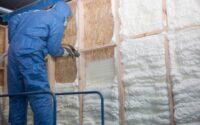



When a fire is finally out, most people expect the worst part is over. But once the smoke clears, you’re often left with a new problem that can quietly cause just as much damage: water. Firefighting water doesn’t politely stay in one room—it seeps into floors, runs down inside walls, saturates insulation, and pools in places you can’t easily see.
That’s why water damage after firefighting needs a plan, not just a few fans and crossed fingers. If you dry a home the wrong way—or too slowly—you can end up with warped materials, lingering odors, electrical hazards, and mold growth that starts in as little as 24–48 hours. This guide walks you through how to dry a home safely, what to prioritize first, and how to prevent mold from taking hold after a fire.
Why firefighting water behaves differently than a “regular” leak
Water from a burst pipe is usually confined to a predictable area and often involves clean water (at least at the start). Firefighting water is a different story. It’s delivered in huge volumes, under pressure, and it mixes with soot, ash, char, insulation fibers, and whatever else the fire disturbed.
That mixture matters because it can turn water damage into a contamination issue. Soot and smoke residues are acidic and can corrode metals and degrade building materials. When those residues dissolve into water, they can spread further, staining walls and increasing odor problems. The goal isn’t only “dry”—it’s “dry safely” and “dry cleanly enough to rebuild without problems later.”
Another twist: firefighting water often finds pathways you wouldn’t expect. It can travel down wiring penetrations, HVAC chases, plumbing openings, and gaps around framing. So even if the living room looks only damp, the wall cavity can be soaked, and the subfloor can be holding gallons.
Start with safety checks before you try to dry anything
Confirm the structure is safe to enter
Before you start moving wet belongings or pulling up carpet, make sure the building is structurally safe. Fire can weaken trusses, floor joists, and load-bearing walls. Even if the fire damage seems “minor,” water adds weight and can accelerate sagging in already compromised materials.
If there’s any doubt—visible charring on framing, roof sagging, cracked masonry, or doors that suddenly don’t close correctly—pause and get a professional assessment. Drying work involves movement, vibration, and sometimes removing materials, which you don’t want to do in an unstable structure.
Also, watch for slip hazards. Wet soot is extremely slick, and it’s easy to fall while carrying items or stepping over debris. Wear boots with good traction and move slowly.
Shut off utilities the right way
Electricity and water are a dangerous mix, especially when water has soot and dissolved contaminants in it. If the breaker panel or outlets were exposed to water, do not assume you can safely flip switches yourself. If you can safely access the main breaker without standing in water or touching wet surfaces, shut it off. Otherwise, call an electrician or your utility provider.
Gas should be handled carefully too. Fire events can shift pipes and fittings. If you smell gas or suspect a leak, leave immediately and contact the gas company. Drying can wait—your safety can’t.
Finally, consider HVAC. Running the system too early can spread soot and moisture through ductwork. Keep it off until you know the system is clean and safe to operate.
Time matters: what to do in the first 24 hours
Get water out fast, but don’t “seal in” moisture
The first day is about removing bulk water and creating airflow pathways. If there’s standing water, pump it out or use a wet/dry vacuum. Then focus on extracting water from porous surfaces like carpet and padding. The longer water sits, the more it wicks into baseboards, drywall, and subfloors.
At the same time, avoid the common mistake of trying to “trap” odors by closing everything up. You want controlled ventilation and dehumidification, not a sealed sauna. Open windows if outdoor humidity is low and conditions are safe, but don’t rely on open windows alone—especially in humid climates where outdoor air can slow drying.
If you’re unsure whether to remove certain materials (like drywall or insulation), it’s usually better to make decisions based on measurements rather than guesswork. Moisture meters, thermal imaging, and humidity readings help you avoid tearing out too much—or leaving wet materials behind.
Separate what can be saved from what can’t
Water damage after firefighting often hits personal belongings hard. Upholstered furniture, mattresses, paper goods, and particleboard furniture can be difficult to salvage if they stayed wet for long. Create a triage system: “dry now,” “clean later,” and “discard.”
Move salvageable items to a clean, dry area if possible. If the home isn’t safe or is heavily contaminated with soot, it may be better to move items offsite. Keep in mind that soot-stained wet items can cross-contaminate clean spaces, so use plastic sheeting or bins when transporting belongings.
Photograph damage as you go. It helps with insurance, and it also helps you remember what came from where when it’s time to rebuild.
Drying a home the safe way: equipment and setup that actually works
Air movers aren’t enough without dehumidification
Fans and air movers help evaporate moisture from surfaces, but evaporation is only half the process. The moisture has to go somewhere. Without dehumidifiers, you can end up with humid air that slows drying and encourages mold growth in hidden cavities.
A good drying setup typically uses a combination of air movers (to keep air moving across wet surfaces) and dehumidifiers (to pull moisture out of the air). Place air movers at angles along walls and across floors, not pointed randomly into the middle of a room.
Monitor indoor humidity with a hygrometer. A common target during structural drying is to keep relative humidity low enough to drive evaporation—often around 40–50% depending on conditions and materials. If your readings aren’t improving, you may need more dehumidification or you may have moisture trapped in cavities.
Use the right kind of dehumidifier for the situation
Refrigerant (condensation) dehumidifiers are common and work well in warm conditions. Desiccant dehumidifiers can be better in cooler temperatures or when you need very low humidity. After a fire, temperature control can be tricky—windows may be broken, HVAC may be off, and power may be limited.
If you’re using portable units, emptying the water reservoir constantly becomes a chore. Units with continuous drainage are more practical for large losses. Just make sure the drain line is routed safely and won’t leak back into the home.
Also note that dehumidifiers need airflow and clearance. Don’t tuck them into corners or closets and expect good results. Their job is to condition the air in the drying zone, and they need space to do that.
Containment: drying zones prevent spreading soot and moisture
After a fire, you’re often dealing with two problems at once: wet materials and soot residues. Creating containment zones with plastic sheeting can help you focus drying where it’s needed and reduce cross-contamination to cleaner areas of the home.
Containment also helps efficiency. Instead of trying to dry the entire house at once (including areas that might not be affected), you can isolate the wettest sections and get them stable quickly. That’s especially helpful if power is limited and you can’t run a lot of equipment at once.
If the fire involved significant smoke, consider negative air pressure (using air scrubbers) to keep airborne particles from migrating. Even if you can’t run full professional-grade filtration, simple containment can still make a big difference.
Hidden moisture: walls, ceilings, and floors that look “fine” but aren’t
Drywall and insulation: the mold risk you can’t see
Drywall can look okay on the surface while the backside is soaked. Insulation can hold water like a sponge. If wet insulation stays in place, it can keep surrounding framing damp for days or weeks—long enough for mold to start and for wood to swell or rot.
One common approach is a “flood cut,” where drywall is removed 12–24 inches above the water line to allow air into the wall cavity. But after firefighting, water doesn’t always leave a neat water line. It can splash, run downward inside cavities, or concentrate under windows and corners.
Measurements help here. A moisture meter can indicate whether drywall and studs are drying. If moisture remains high after active drying, removal may be the safer option than waiting and hoping.
Subfloors and finished floors: warping is often delayed
Hardwood, laminate, and engineered flooring can buckle days after the event. Water can get underneath, and even if the surface dries, the underside can remain wet. Tile can hide moisture too—water can sit in thinset layers or migrate under baseboards.
Carpet is another big one. If carpet and pad were saturated with contaminated water, replacement is often recommended. Even if you can extract a lot of water, the pad can hold moisture and odors, and it’s difficult to fully sanitize without professional methods.
Drying floors properly may involve lifting sections, removing baseboards, or using specialized drying mats. The earlier you address trapped moisture, the better your chances of preventing long-term deformation.
Preventing mold after a fire: what actually works (and what doesn’t)
Drying speed is your best mold prevention tool
Mold needs moisture, organic material, and time. After a fire, you’ve got plenty of organic material (wood, paper, drywall facing) and often elevated humidity. The fastest way to break the mold cycle is to dry the structure quickly and keep humidity controlled.
That means continuous drying for the first few days—dehumidifiers and air movers running as much as possible. If you have to shut equipment off due to power constraints, prioritize the wettest rooms first and keep doors closed to maintain a stable drying zone.
It also means not ignoring “small” wet areas. A damp closet or a wet corner behind cabinets can become the source of a bigger mold issue later.
Be careful with bleach and DIY “mold sprays”
Bleach is often treated like a cure-all, but it’s not ideal for porous materials. It can discolor, it may not penetrate deeply enough to address growth in porous surfaces, and mixing bleach with other cleaners can create dangerous fumes. After a fire, you may already have compromised air quality, so adding harsh chemicals can make things worse.
Instead, focus on removal of unsalvageable porous materials, cleaning of remaining surfaces with appropriate products, and controlling moisture. If you suspect mold growth is already present, professional assessment is usually worth it—especially when you’re also dealing with soot and smoke residues.
And remember: killing mold without removing the moisture problem just delays the next bloom. Moisture control is the foundation.
Don’t forget the HVAC and ductwork
Even if the fire wasn’t near your furnace, smoke and moisture can travel. Wet ducts or contaminated filters can spread odors and particles every time the system runs. If the HVAC system took on water or heavy soot, it may need professional cleaning before being used again.
Running the system too early can also increase humidity in the home if the coils or ducts are damp. That can slow your drying progress and keep conditions mold-friendly.
Once the structure is dry and cleaned appropriately, replacing filters and verifying the system is safe can help bring the home back to a comfortable, stable environment.
Smoke, soot, and water: why drying and cleaning have to be coordinated
Soot turns into stains when it gets wet
Soot is made of tiny particles that cling to surfaces. When firefighting water hits soot, it can create streaks and stains that are harder to remove later. If you wipe soot incorrectly, you can grind it into paint, drywall, and fabrics.
That’s why “dry first” isn’t always the full story. In many cases, you need a coordinated approach: remove bulk water, stabilize humidity, and use proper soot removal methods (like HEPA vacuuming and dry sponging) before aggressive wet cleaning.
If you’re unsure, test a small area first. The goal is to avoid spreading residues while still moving quickly enough to prevent mold.
Odors can lock into damp materials
Smoke odor is notorious for lingering, and moisture makes it worse. Damp drywall, wet insulation, and saturated wood can absorb odor compounds deeply. If you dry too slowly, you may find that even after everything “looks” fine, the smell returns whenever humidity rises.
Professional deodorization methods like thermal fogging, ozone, or hydroxyl treatments can help, but they work best after cleaning and drying are done correctly. Deodorization is not a substitute for removing wet materials or cleaning soot residues.
In practical terms: if something is wet and smells strongly of smoke, you should assume it needs either specialized cleaning or replacement.
When it’s not just water damage: contamination and biohazard considerations
Fire events can create unexpected biohazard scenarios
Most people think “biohazard” means something extreme, but fire scenes can involve a range of contamination risks: sewage backups triggered by water intrusion, animal waste in attics disturbed by firefighting, or hazardous debris from damaged materials. In rare but real situations, a property may also involve law enforcement activity or trauma-related cleanup needs alongside fire and water damage.
If you’re ever dealing with a property that has additional hazards beyond typical smoke and water—like bodily fluids, chemical exposure, or sensitive situations—specialized cleanup is essential for safety and compliance. For example, resources like PuroClean San Antonio Northwest crime scene services exist for scenarios where standard cleaning simply isn’t appropriate.
Even if your situation is “only” fire and water, it helps to think in terms of categories: clean water vs. contaminated water, normal debris vs. hazardous debris, and cosmetic damage vs. health-related risks. That mindset helps you decide when to DIY and when to bring in trained help.
Protective gear and air quality matter more than you think
After a fire, the air can contain fine particulate matter, fiberglass, and irritants. Add drying equipment that stirs air around, and you may be breathing more of it than you realize. At minimum, use an appropriate respirator (not just a dust mask), gloves, and eye protection when disturbing debris or removing wet materials.
If you notice persistent coughing, headaches, or throat irritation, treat that as a warning sign. Step back and improve ventilation/filtration or get professional support. Your body is a better sensor than your nose when it comes to air quality.
Also consider children, seniors, and anyone with asthma or immune conditions. It’s often best for vulnerable people to stay out of the property until drying and cleaning are well underway.
Drying strategy room-by-room: practical priorities
Kitchens and bathrooms: cabinets love to trap moisture
Cabinets can look intact while the toe-kick area and the back panels are soaked. Particleboard swells quickly and may never return to shape. If water got under cabinets, you may need to remove toe kicks or drill small ventilation holes (later patched) to get airflow where it’s needed.
Bathrooms add complexity because they already have high humidity and lots of penetrations. Water can travel around tubs and showers into adjacent walls. Pay attention to shared walls between bathrooms and closets or bedrooms.
Don’t ignore the space under sinks. It’s a common spot for water to pool, and it’s often made of materials that degrade quickly. Drying that area early can prevent bigger repairs later.
Bedrooms and living rooms: soft contents and carpet decisions
These rooms often contain the most fabric—rugs, curtains, mattresses, upholstered furniture. If they were exposed to soot and water, odors can become a long-term issue. Sometimes professional contents cleaning is the best option, especially for valuable items.
Carpet can sometimes be saved if it was affected by clean water and addressed immediately, but after firefighting you’re often dealing with dirty water and soot. If you keep carpet, make sure the pad is evaluated carefully—pad is frequently the part that needs replacement even if the carpet can be cleaned.
For drying, lift furniture legs off wet carpet using blocks or foil squares to prevent staining and rust transfer. And keep airflow moving across the floor surface, not just the middle of the room.
Basements and crawl spaces: the slow-drying troublemakers
Basements naturally dry slower because they’re cooler and often have less airflow. Crawl spaces can be worse, especially if insulation is hanging wet or vapor barriers are damaged. If water got into these areas, address them early—even if the main floor looks like the priority.
Standing water in a basement can wick upward into framing and drywall. It can also raise humidity for the entire home, slowing drying everywhere else. Pumping and dehumidifying the lowest level often improves conditions upstairs.
If your crawl space has wet soil or pooled water, consider whether drainage improvements are needed long-term. Drying the home is step one; preventing repeat moisture problems is step two.
Repair planning: what to document and how to avoid rework
Moisture readings and photos save headaches later
Drying isn’t just about how it feels—it’s about measurable results. If you’re working with insurance or contractors, documenting moisture readings can help justify the scope of work. Take daily photos of equipment placement, damaged areas, and progress.
Keep a simple log: date, room, humidity, temperature, and any moisture meter readings you have. You don’t need to be a scientist—just consistent. This can help you spot stalls in drying, which often indicate hidden moisture or insufficient equipment.
Documentation also helps prevent rework. Rebuilding over damp materials is one of the biggest causes of recurring mold and odor issues after a fire.
Know when drying transitions into rebuilding
It’s tempting to start patching drywall or installing new flooring as soon as surfaces seem dry. But if wall cavities or subfloors are still elevated in moisture, you can trap humidity behind new materials. That can lead to swelling, adhesive failure, and mold growth behind finished surfaces.
A good rule of thumb is to rebuild only after materials reach acceptable moisture levels relative to unaffected areas. Professionals often compare readings from damaged areas to “dry standard” areas in the same home.
If you’re unsure, waiting an extra day or two—while continuing to dehumidify—can be cheaper than ripping out brand-new work later.
When to call in help: the situations that usually go sideways
Large losses, multiple rooms, or water that reached wall cavities
If several rooms are soaked, or if water traveled into walls and ceilings, DIY drying becomes difficult fast. You may not have enough equipment, and you may not have the tools to verify hidden moisture. That’s when professional drying and mitigation can prevent long-term damage.
Professionals can also coordinate drying with smoke cleanup, which matters because soot and water interact in messy ways. If you clean in the wrong order, you can smear residues or set stains.
In many cases, getting a professional assessment early doesn’t commit you to a full project—it simply gives you clarity on what’s wet, what’s contaminated, and what needs to be removed.
Commercial properties: downtime and liability raise the stakes
If the affected building is a business, speed and documentation become even more critical. Moisture can damage inventory, disrupt operations, and create slip hazards for staff and customers. There’s also the question of air quality and whether the space is safe to occupy.
Many businesses need a partner who can handle urgent stabilization and coordinated repairs, not just basic drying. If you’re dealing with a commercial site after a fire, services geared toward emergency commercial property repairs can be the difference between reopening in days versus weeks.
Even in smaller offices or retail spaces, hidden moisture behind walls can become a mold and odor problem that affects employees and customers. Addressing it properly upfront helps protect your brand and reduces the risk of repeated closures.
Coordinating fire restoration with water drying so nothing gets missed
Fire damage restoration is more than removing charred items
A fire-damaged home often needs a mix of services: debris removal, soot cleanup, odor control, structural drying, and rebuild planning. If those steps aren’t coordinated, you can end up drying a space that still has soot contamination—or cleaning soot in a space that’s still too wet to stabilize.
It’s also common for homeowners to focus on visible damage (burned cabinets, blackened walls) and underestimate the water impact. But water can affect rooms that never saw flames, especially on lower levels and adjacent spaces.
If you’re looking at a property that needs the full spectrum of restoration, it can help to work with teams experienced in after fire cleanup and recovery, because drying decisions (what to remove, what to save, what to treat) are tightly connected to smoke and soot conditions.
Rebuild decisions depend on what happened during drying
Drying isn’t just a temporary step—it influences what materials can be saved. If drying starts quickly and is monitored, you may be able to preserve more framing, flooring, or cabinetry. If drying is delayed, you may have to remove more to prevent mold and odor issues.
That’s why a clear plan matters: stabilize first, dry and dehumidify with measurements, remove materials that can’t be safely dried, then clean and deodorize, and only then rebuild. Skipping around usually costs more.
When in doubt, prioritize decisions that keep materials accessible for inspection. For example, leaving baseboards off for a short period can help wall cavities dry and makes it easier to verify moisture levels.
Common mistakes that slow drying and invite mold
Turning off equipment too soon
It’s easy to assume that once the surface feels dry, the job is done. But moisture often remains in subfloors, framing, and insulation. Turning off dehumidifiers early can cause humidity to rebound, which can restart microbial growth and bring odors back.
If you’re renting equipment, build in enough time. It’s usually cheaper to rent for an extra day than to pay for mold remediation later.
Keep checking humidity and moisture readings even after things look good. Drying is a process, not a single moment.
Using heat without controlling humidity
Heat can speed evaporation, but if you don’t remove the moisture from the air, you can create a warm, humid environment that mold loves. Space heaters can also be a fire risk in a fire-damaged home, especially if electrical systems are compromised.
If you add heat, pair it with dehumidification and monitoring. And keep heaters away from debris, fabrics, and damaged wiring.
In many cases, steady dehumidification and airflow beats blasting heat and hoping for the best.
Not addressing the “edges” of the damage
Water spreads. It creeps under thresholds, into closets, and along baseboards. People often focus on the most dramatic room (where the fire was) and miss adjacent spaces that are damp but not obvious.
Check behind furniture, inside closets, under stairs, and around HVAC returns. If you have access to a moisture meter, use it along the perimeter of affected rooms.
Those edges are where mold often starts—quietly, out of sight—while everyone’s attention is on the main damage zone.
A homeowner-friendly checklist for the next few days
Day 1–2: stabilize and remove what you can
Focus on safety, water extraction, and setting up drying equipment. Remove wet rugs and items that can bleed dye. Pull up saturated padding if you can do so safely. Start dehumidification early and keep doors closed in the drying zone.
Begin gentle soot removal methods where appropriate, but avoid aggressive wiping on painted walls if you’re not sure—smearing soot can make restoration harder.
Take photos, start a simple log, and keep receipts for any equipment rentals or supplies.
Day 3–5: verify progress and make removal decisions
This is when you check whether drying is actually working. If humidity is staying high or materials aren’t drying, you may need additional equipment or you may need to open up cavities by removing baseboards or sections of drywall.
Watch for musty smells, new staining, or bubbling paint. Those are clues that moisture is still present. Also pay attention to flooring—new buckling or cupping can indicate moisture trapped underneath.
If progress stalls, it’s often smarter to bring in a professional than to keep running the same setup for another week.
After things are dry: clean, deodorize, and rebuild thoughtfully
Once moisture levels are appropriate, you can move into detailed cleaning and odor control. This is where HEPA vacuuming, proper surface cleaning, and targeted deodorization methods can make the home feel normal again.
Rebuilding should be done in a way that doesn’t trap moisture. Use materials appropriate for the space (especially in basements and bathrooms), and consider improvements like better ventilation or moisture-resistant products where it makes sense.
Finally, keep monitoring over the next few weeks. Sometimes odors or humidity issues show up later, especially during rainy weather or when HVAC is restarted. Catching those early is much easier than dealing with a full relapse.
Water damage after firefighting can feel overwhelming, but with a clear plan—safety first, fast extraction, measured drying, and smart mold prevention—you can protect your home and avoid the frustrating cycle of hidden moisture and recurring odors. The key is to treat drying as a controlled project, not a guessing game.