




When a home or commercial space is hit by fire, water, wind, or mould, the first question most people ask is, “How fast can we get back to normal?” The tricky part is that “normal” usually takes two different kinds of work that often overlap: restoration and reconstruction. Restoration is about stabilizing, cleaning, and preventing further damage. Reconstruction is about rebuilding what was removed or destroyed so the property becomes usable again.
People sometimes lump everything under “restoration,” but the reality is more layered. You might have a team drying out wet structural framing while another team is planning how to rebuild a damaged kitchen. Or you might be living elsewhere while professionals remove smoke residue and deodorize, and only later does the rebuild phase start. Understanding where restoration ends and reconstruction begins helps you plan your timeline, budget, and expectations.
This guide walks through what “post-damage rebuilding” really means in day-to-day terms: the phases, the handoffs, the decisions you’ll be asked to make, and the common pitfalls that slow projects down. If you’re navigating property damage in Ottawa—or you want to be prepared—this is the big-picture playbook for how the process typically unfolds.
Restoration vs. reconstruction: two halves of the same recovery
Restoration focuses on immediate mitigation and recovery tasks that stop the damage from spreading and make the environment safe. Think: emergency board-up, water extraction, drying and dehumidification, smoke and soot cleaning, odour control, debris removal, disinfection, and mould remediation. The goal is to stabilize the site and preserve as much of the structure and contents as possible.
Reconstruction is the rebuild phase—repairing or replacing structural and finish elements that cannot be restored. This includes framing repairs, insulation, drywall, flooring, cabinetry, trim, painting, electrical and plumbing repairs, roofing, and more. Reconstruction is where the property becomes whole again. It can be a straightforward “put it back the way it was” job or an opportunity to upgrade, reconfigure, or improve resilience.
In real projects, these phases aren’t always neatly separated. For example, after a fire, restoration teams may remove charred drywall and insulation for safety reasons. The moment those materials come out, the reconstruction scope grows. The best outcomes happen when restoration and reconstruction are planned as a single continuum rather than two disconnected jobs.
The moment damage happens: the first 48 hours set the tone
In the first day or two after a loss, the priority is safety and preventing secondary damage. With water losses, that means stopping the source (shutoff valves, plumbing repairs), extracting standing water, and starting drying equipment quickly. With fire losses, that means ensuring the structure is stable, clearing hazards, and preventing additional exposure to weather or unauthorized entry.
These early actions matter because secondary damage can become its own major claim. Wet drywall can turn into widespread mould. Soot can etch surfaces if it sits too long. Humidity can warp hardwood and swell cabinetry. Even if you intend to renovate later, it’s still worth stabilizing and documenting right away so the rebuild is based on accurate conditions rather than a cascade of avoidable problems.
It’s also the phase where documentation begins: photos, moisture readings, inventories, and notes on what was affected. This isn’t just paperwork—good documentation helps align everyone (homeowner, insurer, contractor) on what happened and what needs to be done next.
From “make it safe” to “make it clean”: what restoration actually includes
Site safety, containment, and protecting what can be saved
Before anyone starts cleaning or removing materials, the job site needs to be safe. That can mean turning off power to affected areas, checking for structural instability, and setting up containment barriers. Containment is especially important when there’s soot, mould, or contaminated water involved, because you don’t want particles spreading throughout the building.
Protection also includes covering floors, isolating HVAC returns, and safeguarding items that can be saved. In many cases, moving contents to a safe area (or off-site storage) reduces the chance of further damage and gives crews space to work.
Even small steps—like sealing off a smoke-damaged room—can prevent odours from migrating into porous materials elsewhere in the home. That’s why professionals treat safety and containment as the foundation of everything that follows.
Drying, dehumidification, and moisture mapping
With water damage, drying is not just “turn on fans.” Restoration teams map moisture using meters and thermal imaging, then place equipment strategically to dry structure, not just air. The goal is to bring materials back to a safe moisture content so mould doesn’t start and structural integrity isn’t compromised.
Drying plans change as readings change. A room that looks dry on the surface may still have wet sill plates, insulation, or subfloor layers. That’s where moisture mapping matters—because reconstruction shouldn’t begin until hidden moisture is addressed, or you risk sealing problems behind new finishes.
In Ottawa’s seasonal humidity swings, dehumidification is especially important. Cold weather can slow evaporation; hot humid weather can keep materials damp longer. Good restoration adapts to the conditions rather than relying on a one-size-fits-all approach.
Smoke, soot, and odour control after fire damage
Fire damage is more than what you can see. Soot particles can travel through a home, settling in closets, behind furniture, and inside ductwork. Smoke odours can embed into porous materials like insulation, textiles, and unfinished wood. Even a small kitchen fire can create a surprisingly wide contamination footprint.
Cleaning after fire often includes specialized sponges, HEPA vacuuming, wet cleaning, and targeted chemical treatments depending on the type of soot (protein soot from cooking fires behaves differently than dry soot from wood). Odour control may include hydroxyl generators, ozone (used carefully and appropriately), thermal fogging, or sealing surfaces with odor-blocking primers.
If you’re dealing with a fire loss and you’re trying to understand what it takes to restore fire-impacted property Ottawa, it helps to know that the “restoration” phase is often a mix of cleaning, selective demolition, and air quality management—so reconstruction can start on a clean, stable base.
Selective demolition: the bridge between restoration and rebuild
Selective demolition is where restoration and reconstruction truly overlap. It’s the removal of materials that can’t be salvaged or that must be removed to access damaged areas. This could include cutting out wet drywall, removing baseboards, pulling up flooring, or taking out insulation that has absorbed smoke or water.
It’s not demolition for demolition’s sake. The goal is to remove only what’s necessary while preserving what can be restored. That’s why experienced teams use moisture readings, contamination assessments, and structural checks to decide what stays and what goes. Done properly, selective demo reduces rebuild cost and speeds up the timeline.
It’s also a key decision point for homeowners: once materials are removed, the rebuild scope becomes clearer. You’ll start to see what will need reframing, what can be dried and kept, and what finishes will need replacement. This is often when the “restoration” job starts to feel like a construction project.
Air quality and health considerations that can’t be skipped
When mould is suspected: testing, containment, and smart next steps
Mould is one of the most common complications after water damage, and it can also appear after firefighting efforts due to moisture. The key is to treat mould as a building problem, not just a surface-cleaning problem. If you smell mustiness, see staining, or know materials stayed wet for more than 24–48 hours, it’s worth investigating before you rebuild.
Professional remediation typically involves containment, negative air pressure, HEPA filtration, removal of impacted porous materials, cleaning of remaining surfaces, and verification that moisture levels are back to normal. Skipping steps to “save time” can backfire, especially if you rebuild over contaminated cavities.
If you’re uncertain about what’s behind walls or under flooring, it can be wise to book a mould inspection so you can make rebuild decisions with real information rather than guesswork.
Smoke residue, VOCs, and the invisible stuff that affects comfort
Even after surfaces look clean, indoor air can still feel “off.” Smoke residue can leave lingering odours, and some cleaning agents or damaged materials can contribute to VOCs (volatile organic compounds). People often notice irritation, headaches, or a persistent smell that seems to return on humid days.
That’s why air filtration, proper cleaning protocols, and sometimes sealing are part of the restoration-to-rebuild transition. For example, if framing is structurally sound but stained or odorous, it may be cleaned and sealed rather than replaced. This can be a cost-effective approach, but it needs to be done carefully so odours don’t creep back into new finishes.
Comfort matters. A rebuild that looks beautiful but still smells smoky or feels damp doesn’t feel like “home.” Paying attention to air quality during the restoration phase makes the reconstruction phase far more satisfying.
Reconstruction planning: turning a damaged site into a real scope of work
Once the property is stabilized, cleaned, and dried (or at least trending in that direction), reconstruction planning begins in earnest. This is where you define what will be rebuilt, what materials will be used, what code requirements apply, and how the work will be sequenced. A clear scope is the difference between a smooth rebuild and a project that constantly changes midstream.
Planning also includes measuring, documenting pre-loss conditions (or deciding on upgrades), and coordinating trades. In many cases, the rebuild can’t start until certain approvals are in place—especially if the loss is insured. Your contractor may need to submit estimates, line items, and supporting photos to align with the insurer’s process.
When people talk about post-damage rebuilding, they’re usually referring to this full reconstruction pathway: bringing the property back from “safe and clean” to “fully functional,” with all the finishing work that makes it livable again.
Permits, codes, and the “while we’re in here” decisions
When permits are required and why it affects timelines
Not every repair needs a permit, but many reconstruction projects do—especially if you’re touching structural elements, electrical, plumbing, HVAC, or making layout changes. Even if you’re restoring the same footprint, the extent of damage can trigger work that falls under permit requirements.
Permits can add time, but they also protect you. They ensure work is done to current standards and inspected appropriately. In some cases, building code updates can influence the rebuild scope—for example, insulation values, smoke alarms, or electrical safety requirements.
A good reconstruction plan accounts for permitting early, so you’re not stuck waiting with a gutted space while paperwork catches up. If you’re in a hurry to move back in, this is one of the biggest “hidden” timeline drivers to understand.
Upgrades vs. like-for-like: making choices that won’t derail the project
After a loss, many homeowners consider upgrades: better flooring, improved insulation, a redesigned kitchen, or a bathroom refresh. There’s nothing wrong with that, but it’s important to separate what’s required to restore functionality from what’s elective. This helps keep insurance discussions clear and prevents the rebuild from stalling due to design indecision.
A practical approach is to get the “like-for-like” scope priced and approved first, then decide where you want to invest extra. That way, reconstruction can proceed without waiting on every finish selection. You can also phase upgrades—prioritizing what must be completed for occupancy, and saving elective projects for later.
Most delays aren’t caused by construction itself; they’re caused by decisions. The more you can decide early (or decide to decide later), the smoother the transition from restoration to reconstruction will feel.
How the handoff works: moving from mitigation crews to builders
In some cases, the same company handles both restoration and reconstruction. In others, you’ll have one team mitigating damage and another contractor rebuilding. Either can work well, but the handoff needs to be managed deliberately. The rebuild team needs clear documentation of what was removed, what was dried, what was treated, and what conditions remain.
Key handoff items include moisture logs, photos of open wall cavities (before they’re closed), notes on any structural repairs needed, and a list of materials that were disposed of. If mould or asbestos was involved, clearance documentation may also be needed. This information reduces surprises once reconstruction begins.
From a homeowner perspective, it’s helpful to ask: Who is my point of contact? Who updates the schedule? Who coordinates trades? A smooth rebuild often comes down to communication cadence—weekly check-ins, clear change-order processes, and quick escalation when something unexpected is found.
Common rebuild phases and what they look like in real life
Rough-in work: the “ugly” stage that makes everything possible
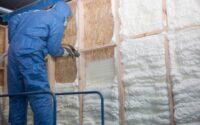
Reconstruction usually starts with the unglamorous steps: framing repairs, subfloor fixes, and rough-ins for electrical, plumbing, and HVAC. If insulation was removed during selective demolition, it gets replaced after rough-in inspections. This stage can feel slow because progress isn’t visually satisfying, but it’s where quality is built.
It’s also where hidden issues sometimes appear: charred studs behind drywall, water damage under tubs, or wiring that needs updating. Finding these issues early is better than discovering them after finishes are installed. A good builder will explain what’s being done and why, even if it doesn’t look like much is happening day to day.
If you’re eager to move back in, ask about what milestones trigger the next phase—like inspection approvals or drying verification. Knowing these checkpoints makes the timeline feel more predictable.
Drywall, mudding, and paint: when the space starts to feel like a home again
Once rough-in work is complete and insulation is in, drywall goes up and the space starts to look “normal.” Mudding and sanding can take time because it’s a multi-coat process with drying time between coats. Rushing this stage can lead to visible imperfections later, especially in bright light or on smooth ceilings.
After drywall, priming and painting create a clean baseline. In fire losses, odor-blocking primers may be used in certain areas to prevent smoke odours from bleeding through. Paint is also one of the first finish choices you’ll need to lock in, so it helps to decide colours early or choose a neutral palette to keep the project moving.
This is also when HVAC systems may be re-commissioned and filters replaced, especially if restoration involved heavy particulate cleanup. Clean air and fresh paint go a long way in making the rebuilt space feel comfortable.
Floors, cabinets, trim, and fixtures: the detail work that determines satisfaction
Finish carpentry and installations are where craftsmanship is most visible. Flooring needs proper acclimation (especially hardwood in Ottawa’s seasonal climate), cabinets need precise leveling, and trim work should be clean and consistent. This stage can involve a lot of trades coming and going, which makes scheduling important.
It’s also the stage where small decisions can cause big delays: backordered tiles, discontinued flooring, or long lead times on plumbing fixtures. If you want to keep momentum, choose materials that are readily available and confirm lead times before ordering. Your contractor can often suggest alternatives that match your style without slowing the build.
At the end of this phase, you’ll typically have punch-list items—minor touch-ups, adjustments, and final fixes. It’s normal. What matters is having a clear process for tracking and completing those items so the project wraps up cleanly.
Insurance, estimates, and the paperwork that shapes the rebuild
For insured losses, the reconstruction scope often runs parallel to insurance approvals. That can feel frustrating, but it’s manageable if you understand the flow: damage assessment, estimate submission, insurer review, possible revisions, and authorization. The more detailed and well-documented the estimate is, the fewer back-and-forth cycles you tend to get.
It’s helpful to keep a simple project folder (digital or physical) with claim numbers, adjuster contact info, emails, photos, and invoices. When questions come up—about what was removed, why something is necessary, or how costs were calculated—you can respond quickly, which keeps the project moving.
Also, be aware that insurance may cover “like-for-like” restoration but not elective upgrades. If you’re choosing higher-end finishes, you can often pay the difference out of pocket. Clear communication upfront prevents awkward surprises later.
Living arrangements and emotional bandwidth during a rebuild
Rebuilding after damage isn’t just a construction project—it’s a life disruption. If you’re displaced, you’re juggling temporary housing, commuting, school routines, and the mental load of constant decisions. Even if you’re living on-site during partial repairs, noise, dust control, and limited access to rooms can wear you down.
A practical tip is to set decision deadlines with your contractor: when do you need flooring chosen, when do you need cabinet hardware selected, when do paint colours have to be confirmed? This turns a stressful stream of choices into a manageable timeline. If you can, designate one or two decision-makers to avoid delays caused by too many opinions.
It also helps to ask for a weekly update that covers three things: what was done, what’s next, and what decisions are needed from you. That rhythm reduces uncertainty and gives you a sense of progress even when the site looks messy.
How to avoid the most common rebuild setbacks
Starting reconstruction before drying and cleaning are truly complete
One of the biggest mistakes is closing walls too early. If framing is still wet, or if smoke residue hasn’t been properly addressed, new drywall and insulation can trap problems inside cavities. That can lead to odours, mould growth, and expensive rework.
Ask for moisture readings and documentation before rebuild steps that cover structure. If you’re not sure what “dry enough” means, your restoration team should be able to explain target moisture levels for different materials. This isn’t overkill—it’s quality control.
Similarly, after fire losses, make sure cleaning and deodorization are verified before finishes go in. It’s much easier to treat exposed framing than to chase odours after everything is sealed up.
Scope creep and unclear change orders
Scope creep happens when small additions pile up: extra outlets, upgraded tile, added pot lights, moving a wall “just a bit.” None of these are bad ideas, but they need a clear change-order process so cost and timeline impacts are understood before work proceeds.
A simple rule: if it changes materials, labour, or schedule, it should be written down and approved. This protects both you and the contractor. It also keeps the relationship positive because expectations stay aligned.
If you know you want upgrades, talk about them early. Even if you don’t finalize every detail, flagging your priorities helps the team plan rough-ins and ordering so you’re not forced into last-minute compromises.
Underestimating lead times and seasonal constraints in Ottawa
Ottawa projects can be affected by weather (especially if exterior work is needed), humidity swings, and seasonal contractor demand. If your rebuild involves roofing, siding, or foundation repairs, the schedule may need to align with temperature and precipitation realities.
Material lead times are another common issue. Cabinets, specialty flooring, custom doors, and certain fixtures can take weeks or months. Ordering early and choosing readily available alternatives can keep your project from stalling at the finish line.
When in doubt, ask your contractor: “What is the longest-lead item in this plan?” That single question can prevent weeks of downtime later.
Rebuilding smarter: resilience improvements that pay off
Reconstruction is a chance to rebuild not just “as it was,” but “better prepared.” Without turning your home into a bunker, you can make choices that reduce risk and improve durability. For example: water-resistant flooring in basements, upgraded sump pumps with battery backup, improved grading and downspouts, and moisture-resistant drywall in certain areas.
Fire resilience can include better venting for kitchens, replacing old appliances or wiring, and using more fire-resistant materials in key areas. Smoke alarms and CO detectors can be updated to current standards, and interconnected alarms can improve safety. Even small changes—like adding a shutoff valve you can easily access—can make a big difference in future incidents.
Energy efficiency upgrades often fit naturally into the rebuild: improved insulation, better air sealing, and modern windows if they were damaged. These upgrades can make the home more comfortable year-round and may reduce operating costs long after the repair work is forgotten.
What “done” looks like: final checks that protect your investment
As the project wraps up, you’ll want to confirm that the rebuild is not only visually complete but also technically sound. That includes verifying that permits were closed (if applicable), inspections passed, and systems are working properly. Walk through the space with your contractor and note any issues: sticking doors, uneven paint lines, missing trim caulking, or fixtures that need adjustment.
It’s also smart to ask for documentation: warranties, product manuals, photos of closed-up work (like plumbing lines or electrical runs), and any clearance reports if mould remediation was involved. This information is valuable for future maintenance and for resale value.
Most importantly, you should feel confident that the restoration work underneath the finishes was done correctly—dry, clean, and stable—so your rebuilt space stays comfortable and healthy over time.
A quick mental model to keep the whole process straight
If you’re trying to simplify a complex experience, here’s an easy way to think about it:
Restoration is about stopping the bleeding: stabilize, dry, clean, decontaminate, and remove what can’t be saved. Reconstruction is about rebuilding function and comfort: repair structure, restore systems, and install finishes so life can resume.
When those two are coordinated—shared documentation, clear scope, and good communication—the timeline becomes more predictable and the results feel far better. And when you understand the transition point between the phases, you can ask better questions, avoid common pitfalls, and make decisions that keep your project moving forward.